



Michelin X-Ice Snow winter tire, engineered for harsh Canadian winters, delivers grip and control on snowy, icy, and wet surfaces.
 Not sure what your tire size is ?
Let us help
Not sure what your tire size is ?
Let us help
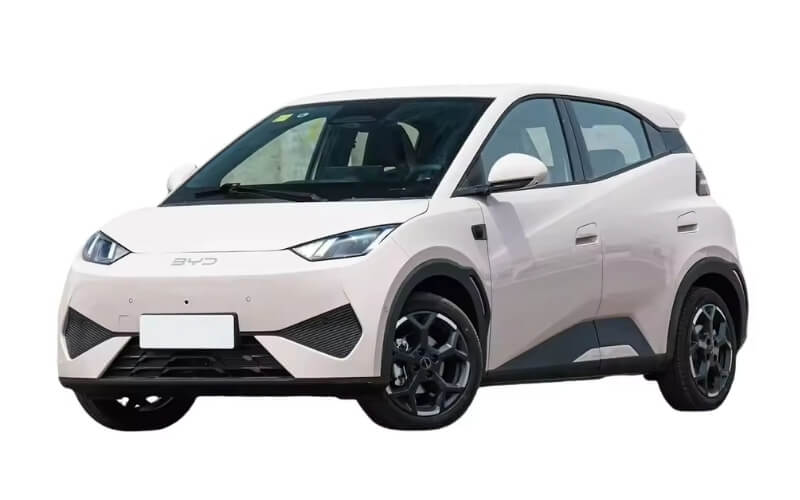
The BYD Seagull is a compact electric hatchback built for efficient everyday driving. It is small, easy to manoeuvre, and designed mainly for city and suburban use. In some markets, the same vehicle family is also known as the BYD Dolphin Mini, so tire information may appear under either name depending on where the vehicle was sold.
Because the Seagull is an electric vehicle, tire choice matters for more than simple fitment. The right tires can help support driving range, ride comfort, braking performance, and cabin quietness.
The BYD Seagull is a small front-wheel-drive electric car with a practical 5-door hatchback body. It is commonly listed with a length of about 3,780 mm, a width of 1,715 mm, and a wheelbase of 2,500 mm, making it well suited to urban driving and tight parking spaces.
Most versions use a 55 kW electric motor with 135 Nm of torque. Battery capacity and driving range vary by market and trim, with commonly listed battery options around 30 kWh and 38 kWh. The Seagull is designed for efficiency rather than high performance, which makes tire rolling resistance, pressure, and tread condition especially important.
A common tire size for the BYD Seagull is:
175/55 R16
This size is used on many BYD Seagull and BYD Dolphin Mini versions. Some markets or trims may use a different size, so the best way to confirm fitment is to check the tire placard on the vehicle, the owner’s manual, or the sidewall of the tires currently installed.
The tire size means:
175 is the tire width in millimeters.
55 is the sidewall height as a percentage of the tire width.
R means radial construction.
16 is the wheel diameter in inches.
The BYD Seagull works best with tires that support efficiency, comfort, and predictable handling. Since it is a compact EV, the ideal tire should offer low rolling resistance, good wet grip, and a quiet ride.
Low rolling resistance is especially useful because it helps reduce energy loss as the tire rolls. That can help the vehicle make better use of its battery charge. A tire with strong wet braking performance is also important, especially for a light city car that may be driven in stop-and-go traffic.
Quietness is another key factor. Electric vehicles do not have an engine masking road noise, so tire noise can be more noticeable inside the cabin. Choosing a tire designed for low road noise can make daily driving more comfortable.
Canadian driving conditions can be tough on a compact EV like the BYD Seagull, especially in regions with long winters, heavy rain, slush, potholes, and fast temperature changes. The right tires make a big difference in how the vehicle feels and performs throughout the year.
In winter, the Seagull should be equipped with proper winter tires once temperatures regularly drop below 7°C. Cold weather can make regular tires harder, which reduces grip on cold pavement, snow, ice, and slush. Winter tires help improve braking, traction, and control, which is especially important for city driving where stops, turns, and slippery intersections are common.
For spring and fall, drivers should pay attention to rain performance. Wet roads, standing water, and sudden temperature drops are common in many parts of Canada. A tire with strong wet braking and good water evacuation can help the Seagull feel more stable and predictable.
Canadian roads can also be rough after winter. Potholes, cracked pavement, and uneven surfaces can damage tires or affect wheel alignment. Because the BYD Seagull commonly uses a compact tire size such as 175/55 R16, it is important to inspect tires regularly for sidewall damage, bubbles, uneven wear, or vibration after hitting potholes.
In summer, low-rolling-resistance tires can help support the Seagull’s electric range, while still offering the comfort and wet grip needed for everyday driving. For most Canadian drivers, the best setup is a quality set of winter tires for the cold months and a separate set of summer, all-season, or all-weather tires for the rest of the year, depending on local climate and driving habits.
For the BYD Seagull, look for tires with:
Low rolling resistance for better energy efficiency
Good wet braking and wet handling
A quiet, comfortable ride
The correct load rating and speed rating
Reliable tread life for daily commuting
EV-compatible construction when available
EV-specific tires can be a good choice, but they are not the only option. A high-quality tire in the correct size, with the correct load and speed rating, is the priority.
In colder climates, the BYD Seagull should be fitted with proper winter tires when temperatures regularly fall below 7°C. Winter tires are designed to stay flexible in cold weather and provide better traction on snow, slush, ice, and cold pavement.
For winter driving, choose tires in the correct size and rating for the vehicle. Before buying, confirm the approved tire size for your specific Seagull, as fitment may vary depending on trim and market.
Tire condition can affect how efficiently the BYD Seagull uses energy. Underinflated tires create more rolling resistance, which can reduce range and increase tire wear. Overinflated tires can reduce ride comfort and may affect grip.
Check tire pressure regularly and use the pressure listed on the vehicle placard, not the maximum pressure printed on the tire sidewall. It is also a good idea to rotate the tires at regular intervals, inspect for uneven wear, and replace tires once tread depth becomes too low.
For most drivers, the best tire for the BYD Seagull is a quality 175/55 R16 tire that balances efficiency, wet grip, comfort, and low noise. Drivers who use the vehicle mainly in the city may want to prioritize comfort and energy efficiency, while those driving in rainy or colder conditions should pay close attention to wet and winter performance.
Before ordering tires, confirm:
The tire size on the vehicle placard
The size printed on the current tires
The required load and speed rating
Whether the vehicle needs summer, all-season, all-weather, or winter tires
Whether the car is sold as a BYD Seagull or BYD Dolphin Mini in your market
The BYD Seagull is built to be efficient and easy to drive. Choosing the right tires helps protect that efficiency while improving safety, comfort, and everyday driving confidence.
For winter driving, the BYD Seagull should be equipped with winter tires that provide strong grip in cold temperatures, snow, slush, and ice. Because electric vehicles deliver instant torque and can be heavier than comparable gas vehicles, choosing winter tires with the correct load rating is especially important. A quality winter tire can help improve braking, handling, and overall stability while also supporting a quieter and more confident driving experience during Canadian winter conditions.
Michelin X-Ice Snow winter tire, engineered for harsh Canadian winters, delivers grip and control on snowy, icy, and wet surfaces.
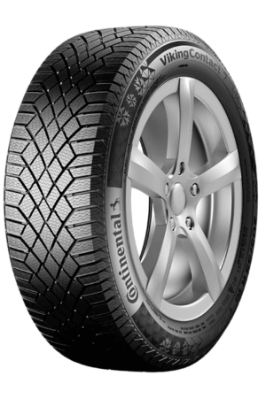
The Continental VikingContact 7 is perfect for passenger cars and SUVs, providing superior grip and braking in winter.

The Bridgestone Blizzak WS90 provides outstanding snow and ice traction, ideal for sedans, light trucks, and minivans in winter.
For summer driving, the BYD Seagull should be equipped with summer tires that provide strong grip, precise handling, and reliable braking in warm weather. Because electric vehicles deliver instant torque, choosing tires with good tread durability and the correct load rating is important. A quality summer tire can also help reduce rolling resistance, which may support better efficiency and help preserve driving range during everyday use.
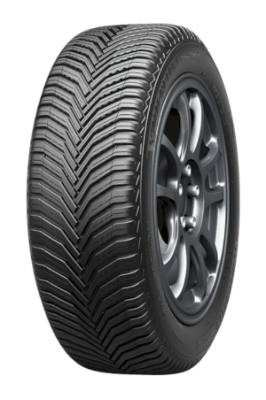
The Michelin CrossClimate 2 is an all-weather tire providing optimal traction on dry, wet, and snowy roads for cars and SUVs.
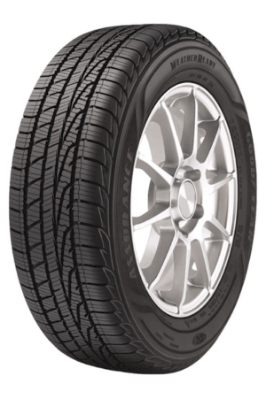
Perfect for all weather, the Goodyear Assurance WeatherReady ensures safety and winter traction, with a 95,000 km warranty for lasting durability.
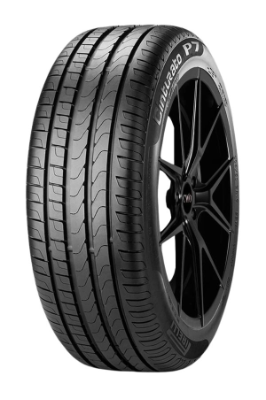
The Pirelli Cinturato P7 is a summer tire for sedans and sporty SUVs offering comfort, quiet ride and reliable grip on dry or wet roads.