



Michelin X-Ice Snow winter tire, engineered for harsh Canadian winters, delivers grip and control on snowy, icy, and wet surfaces.
 Not sure what your tire size is ?
Let us help
Not sure what your tire size is ?
Let us help
Tires designed for electric vehicles (EV) represent a major innovation in the tire industry. Many manufacturers have developed these tires to accommodate the unique characteristics of electric vehicles. These tires must overcome the challenges posed by the heavier weight of EVs, which can affect braking distance if standard tires are used.
Additionally, the high and immediate torque typical of EVs increases the risk of rapid wear on traditional tires. These specialized electric vehicle tires are essential for optimizing performance and vehicle safety while minimizing premature wear.
Discover our range of electric vehicle tires at a competitive price on Blackcircles.ca to enhance your driving experience.
Winter tires for electric vehicles are designed to provide optimal traction and maximum safety in snow, ice, and extreme cold conditions. Here are some popular models:
Michelin X-Ice Snow winter tire, engineered for harsh Canadian winters, delivers grip and control on snowy, icy, and wet surfaces.

The Bridgestone Blizzak WS90 provides outstanding snow and ice traction, ideal for sedans, light trucks, and minivans in winter.
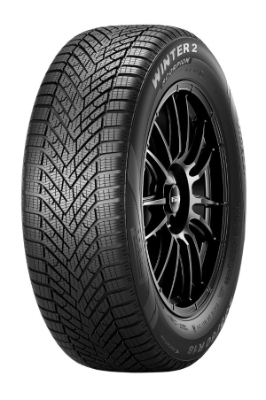
The Pirelli Scorpion Winter 2 offers optimal winter performance for high-performance SUVs, with effective resistance to hydroplaning and maximum traction on snow.
Summer and all-season tires for electric vehicles are designed to offer optimal performance in a variety of weather conditions, ensuring comfortable and safe driving year-round. Here are some popular models:
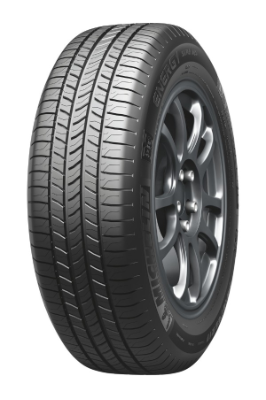
The Michelin Energy Saver A/S is an all-season tire designed for maximum fuel efficiency while providing a stable and safe ride.
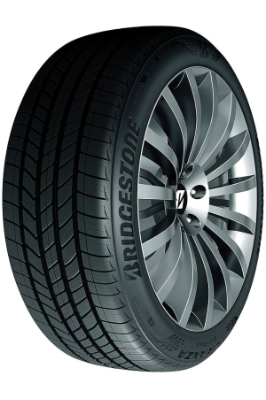
Designed for drivers seeking comfort and durability, the Bridgestone Turanza QuietTrack reduces road noise and ensures stable handling.
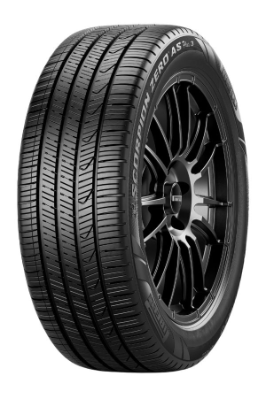
The Pirelli Scorpion Zero AS Plus 3 is a high-performance tire for SUVs and light trucks. It offers exceptional wet and dry grip, precise handling and enhanced durability.
Maximize the performance and efficiency of your electric vehicle with our specialized buying guides. Whether you're searching for summer tires, all-season tires, or winter tires for your electric vehicle, or looking for the best deals and promotions, our detailed resources are designed to help you make an informed choice by considering the unique characteristics of electric vehicles.
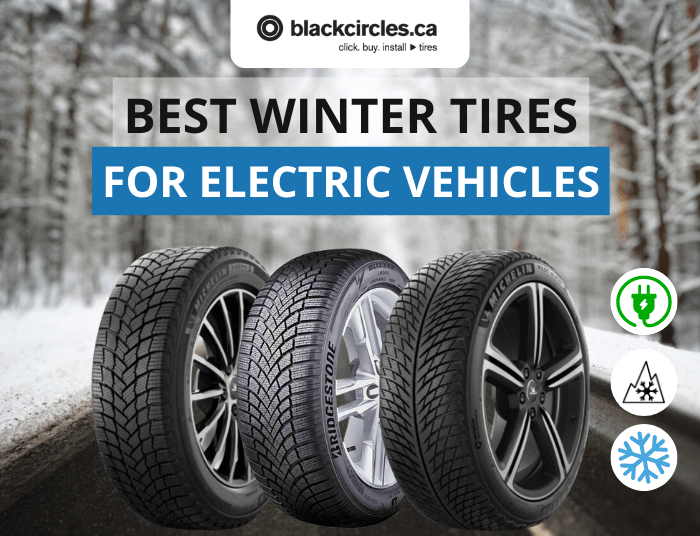
A selection of winter tires designed for electric vehicles, ensuring maximum energy efficiency and safety this winter.
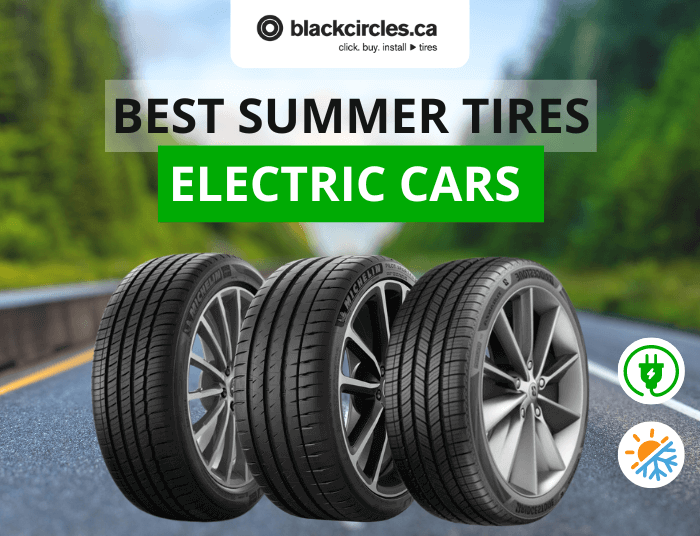
Explore our selection of summer tires for electric vehicles, optimized for energy efficiency, range, and durability.
Yes, electric vehicles require tires with specific specifications. These tires are designed to support the additional weight and high torque of electric vehicles, while offering superior range and quiet operation, contributing to better durability and performance.
For more details, check out our comprehensive article on special tires for electric vehicles.
Electric cars are generally heavier due to their batteries. The batteries, essential for storing the energy needed to run the vehicle, add significant weight compared to traditional combustion cars.
Tire wear on electric cars can be faster if conventional tires are used. These are not designed to handle the high torque and additional weight typical of electric vehicles, leading to accelerated wear.
However, tires specifically made for electric vehicles use adapted materials that minimize early wear and preserve tire longevity.
Maintenance of an electric vehicle differs from that of a gasoline car. Key focus areas include the battery cooling system check, brake inspection and lubrication, and regular tire inspection. Electric vehicles require less maintenance than conventional gasoline and diesel vehicles, as they have fewer moving parts.
Popular sizes for EV tires vary depending on the type and model of the vehicle, but some sizes are particularly common due to their optimal performance and energy efficiency. Here are some popular sizes:
| Size | Similar vehicle |
|---|---|
| 205/55 R16 | Nissan Leaf |
| 215/50 R17 | Chevrolet Bolt |
| 225/45 R18 | Tesla Model 3 |
| 235 /40 R19 | Tesla Model S |
| 245/45 R20 | Tesla Model X |
These sizes optimize range, traction, and driving comfort. Check the manufacturer's recommendations to choose the right sizes for your vehicle.