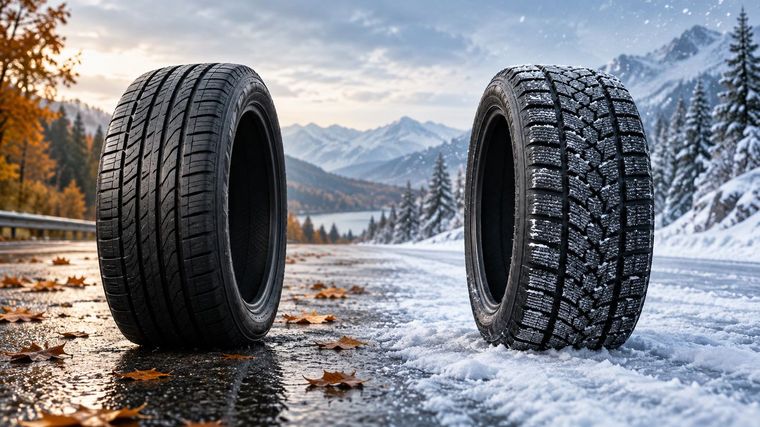

Every fall in Quebec, the same ritual takes place: we pull our winter tires out of the garage, slide a quarter between the tread grooves to check whether the caribou’s or the Queen’s nose is still visible, and breathe a sigh of relief if the tread depth is above the legal limit. Under Quebec’s Highway Safety Code, a tire remains compliant as long as its tread grooves are at least 1.6 mm deep, or 2/32 of an inch.
From a strictly legal standpoint, you avoid getting a ticket. From a physical and safety standpoint, however, you could be driving on a ticking time bomb.
Physics versus the law
The regulations establish a minimum legal tread depth that applies year-round, but that threshold does not necessarily correspond to a safe level of performance in winter driving conditions.
A winter tire does more than rely on its silica-enhanced rubber compound. Its effectiveness depends on two essential principles: water evacuation and grip. First, the wide circumferential and directional grooves must channel and disperse litres of icy water and heavy slush. Second, the thousands of tiny sipes cut into the tread blocks must open under load to bite into bare ice and trap snow. After all, nothing grips snow better than snow itself.
At 2/32 of an inch, most of these sipes have lost much of their ability to open up and generate traction. The rubber tread blocks are worn down to their rigid base, effectively turning the tire into a smooth surface that can no longer clear away snow and slush. On a road covered with packed snow, or during a thaw when a layer of water forms over ice, the stopping distance of a tire with only 2/32 of an inch of tread can double compared with a tire in good condition. You may lose steering control long before you manage to bring your vehicle to a complete stop.
The real safety threshold: 6/32 of an inch
In the tire industry and under real-world driving conditions, the recommended safety threshold for starting a winter season is closer to 4.8 mm, or 6/32 of an inch.
Why? Because tires installed in November with 5/32 of an inch of tread will inevitably wear below 3/32 of an inch by the time February storms or heavy March snowfalls arrive. At that level of wear, the risk of hydroplaning in slush increases dramatically, even at moderate highway speeds.
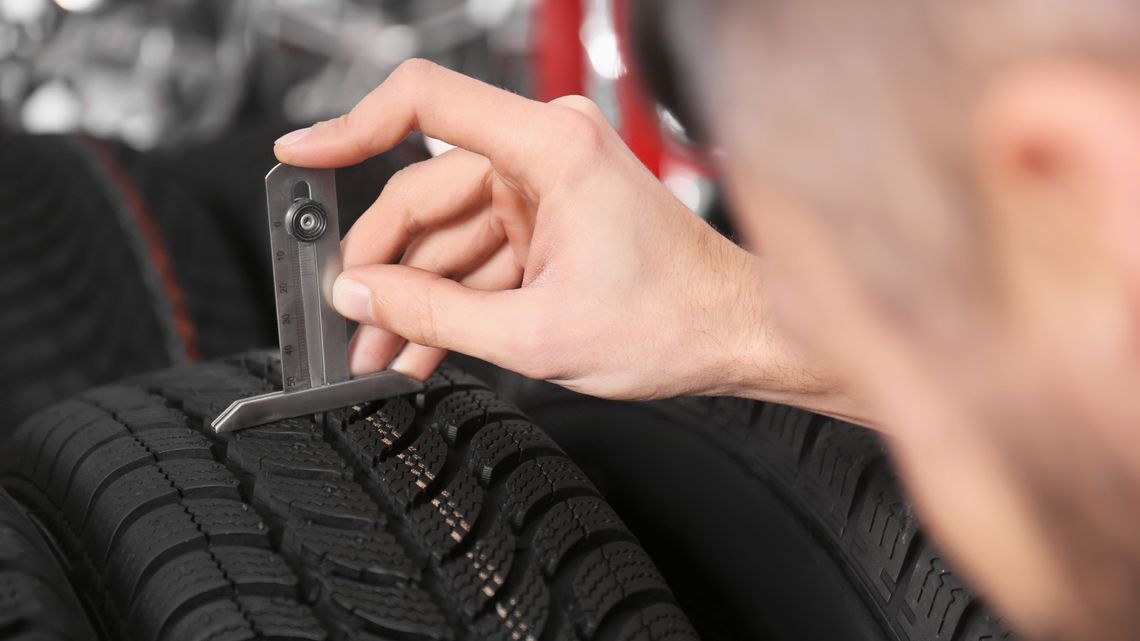
Don't rely solely on a worn quarter to assess your tires. Invest in an inexpensive digital or mechanical tread depth gauge. It is far more accurate. Measure the tread in three different places across its width. Excessive wear in the centre indicates overinflation, while wear along both shoulders may point to underinflation or an alignment problem.
Trying to squeeze a little more life out of your tires to save a few hundred dollars is a poor financial decision. An insurance deductible or a damaged bumper following an avoidable skid will always cost more than a new set of tires purchased through Blackcircles.ca and suited to our Canadian winters.