
You're walking to your car when you notice something unusual: a strange bulge protruding from your tire's sidewall. It looks like a bubble or blister pushing out from the rubber. Your first thought might be, "Can I still drive on this?" or "How urgent is this really?"
The short answer: No, you cannot safely drive with a bubble in your tire sidewall. This isn't just cautious advice—it's a critical safety warning that could prevent a dangerous blowout.
FIND FOR A REPLACEMENT TIRE
What Is a Tire Sidewall Bubble?
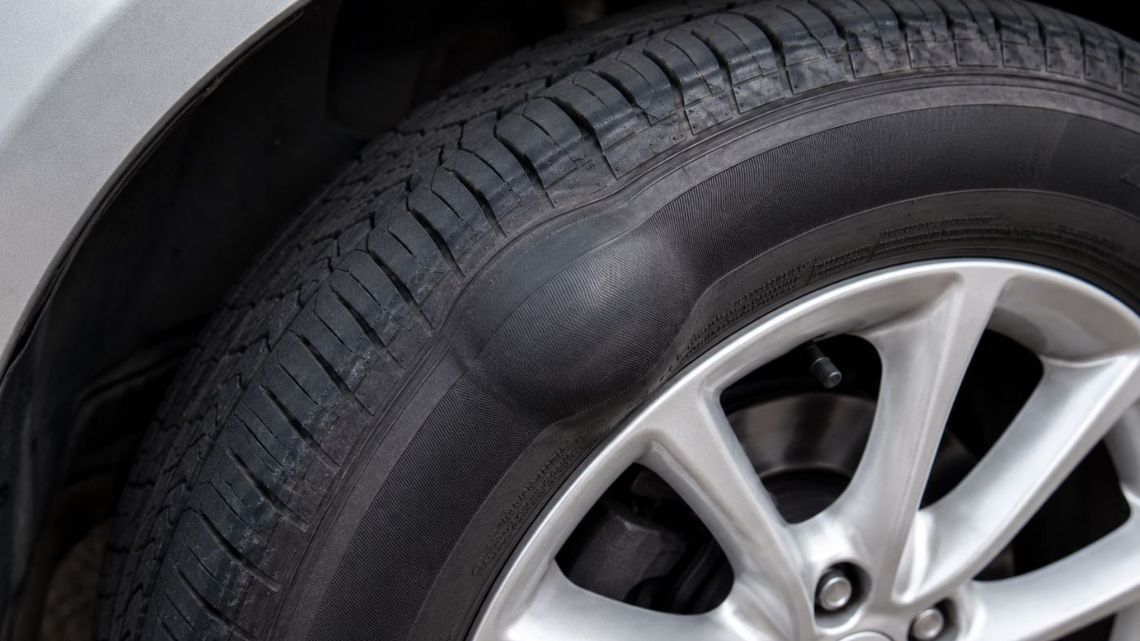
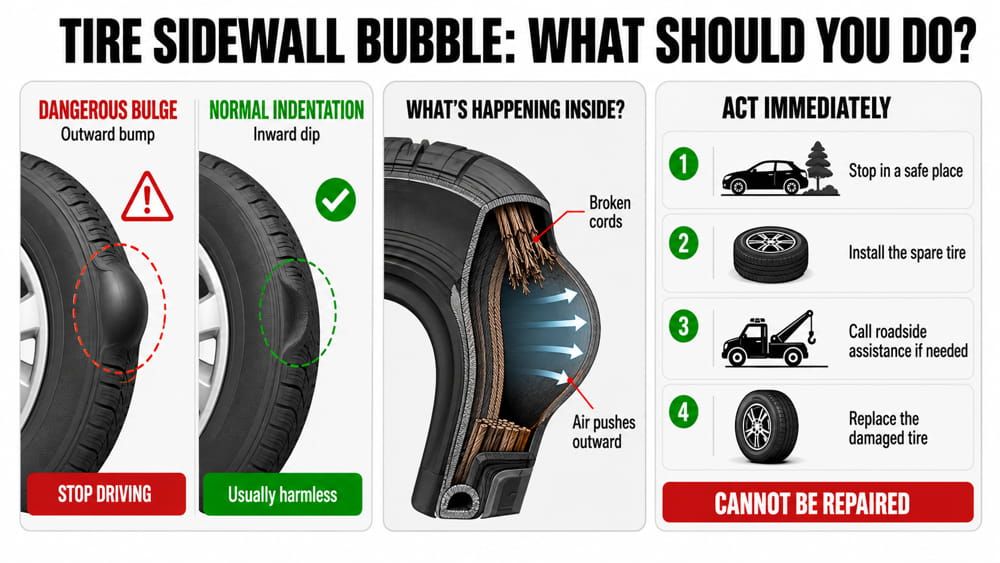
A tire sidewall bubble, also called a sidewall bulge or blister, is a visible deformation in the tire's outer wall. It appears as a rounded protrusion, ranging from the size of a golf ball to a grapefruit, pushing outward from the tire's side.
Your tire's sidewall contains multiple layers of reinforced rubber and fabric cords, typically made of polyester, nylon, or steel. These layers work together to contain the air pressure inside your tire and support your vehicle's weight. When a bubble forms, it means the inner structural layers have separated or broken, air pressure is pushing through the damaged area, and only the thin outer rubber layer is holding back the pressure.
Think of it like a weak spot in a balloon. That outer rubber layer was never designed to contain air pressure by itself—it's merely a protective coating. The real strength comes from the internal fabric and steel belts, which are now compromised.
Why Sidewall Bubbles Are Extremely Dangerous
A tire with a sidewall bubble is a blowout waiting to happen. The structural integrity of your tire is compromised, with internal reinforcement cords that normally withstand 30-35 PSI of air pressure now broken. Only a thin layer of rubber designed as a protective coating, not a pressure vessel, stands between you and a catastrophic failure.
A blowout can occur without warning at any speed, during normal driving, cornering, or braking, and even while the vehicle is parked as thermal expansion from heat builds up inside. When a tire blows out, especially a front tire, the results are dramatic. Drivers experience sudden pulling to one side, violent steering wheel jerks, loss of stability and control, and potential for rollover in SUVs and trucks.
At highway speeds of 65 mph or higher, drivers often overcorrect when a tire blows, leading to swerving into other lanes, leaving the roadway, rollover accidents, and multi-vehicle collisions. Unlike a slow leak that gives you warning signs, a sidewall bubble can fail at any moment. Heat buildup from driving, especially at highway speeds, increases the immediate risk, as do road conditions like bumps and potholes, cornering forces that flex the weakened sidewall, load weight placing additional stress on the tire, and under-inflation making the damage worse.
Some drivers mistakenly believe they can drive slowly and safely with a bubble. This is false. While higher speeds increase risk, bubbles can fail even at parking lot speeds. The damage is structural—speed only determines how catastrophic the consequences will be.
What Causes Bubbles in Tire Sidewalls?
Understanding what causes sidewall damage helps you prevent it in the future. The most common cause is impact damage, particularly from hitting potholes. When your tire hits a pothole at speed, the sidewall gets pinched between the wheel rim and the edge of the hole. This impact can sever the internal cords while leaving the outer rubber intact.
Curb strikes from scraping or slamming into a curb during parallel parking mishaps, turning too sharply, or misjudging clearance compress the sidewall against the wheel, causing internal damage. Taking speed bumps too quickly can cause the tire to bottom out, pinching the sidewall, while running over sharp objects like construction materials or metal debris can puncture and weaken the sidewall structure.
Manufacturing defects, though rare, occasionally occur when a tire leaves the factory with inadequate bonding between internal layers, missing reinforcement cords, or contamination in the rubber compound. These defects may not appear immediately but can manifest as bubbles after normal use. If your tire is relatively new and develops a bubble without obvious impact damage, it may be covered under warranty.
Chronic under-inflation causes excessive flexing of the sidewall, heat buildup, accelerated fatigue of internal materials, and eventual separation of layers. Even without obvious damage, tires degrade over time as rubber compounds dry out and lose flexibility, UV exposure weakens materials, and repeated stress cycles fatigue the structure. Tires older than six to ten years become increasingly vulnerable.
Overloading your vehicle by exceeding load capacity or your tire's load rating puts extreme stress on sidewalls, potentially causing separation of internal layers, overheating, and structural failure.
How to Identify a Tire Sidewall Bubble
Walk around your vehicle and examine each tire's sidewall from multiple angles, looking for bulges or protrusions that weren't there before, asymmetry where one area looks different from the rest, and bubbles or blisters that appear raised. Carefully press on the suspected area with the vehicle safely supported, checking for a soft or spongy feeling compared to surrounding areas, movement under pressure indicating separated layers, and heat concentration in that specific spot.
Even small bubbles the size of a quarter are dangerous. The size of the visible bulge doesn't indicate the severity—it shows you have structural failure, period. Inspect your tires after hitting any significant road hazard like a pothole, curb, or debris, during regular maintenance every month or two, before long trips, if you notice unusual vibration or handling changes, and after the vehicle has been parked for extended periods.
What to Do Immediately If You Find a Bubble
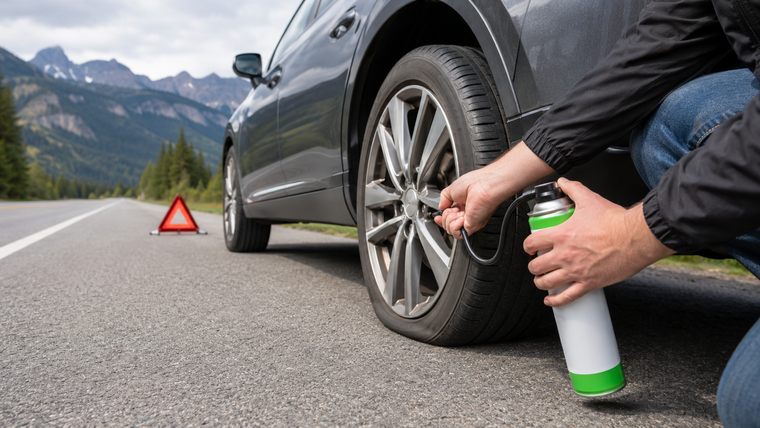
If you find the bubble while your car is parked, do not attempt to drive to a tire shop, even if it's nearby. The risk of catastrophic failure is too high. If you discover it while away from home, pull over safely as soon as possible, find a parking lot or safe area off the road, and turn on your hazard lights.
If you have a spare tire and feel comfortable changing it, ensure you're in a safe, level location away from traffic, engage the parking brake and place wheel chocks, follow your vehicle's jack instructions, and replace the damaged tire with your spare. If you don't have a spare or feel uncomfortable changing it, contact roadside assistance through AAA, your insurance provider, or your vehicle manufacturer's service. You can also call a mobile tire service that comes to your location or arrange for a tow truck to transport your vehicle.
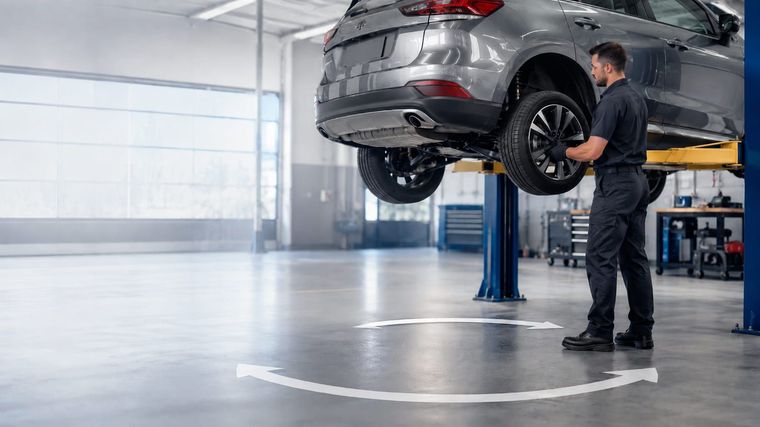
Most roadside assistance services can change your tire on-site or tow you to the nearest tire shop. At the tire shop, explain what happened, ask them to inspect the other tires for similar damage, have the wheel inspected for bending or damage, and consider replacing tires in pairs on the same axle if wear is uneven.
Take photos of the sidewall bubble from multiple angles, the overall tire condition, any road hazards you believe caused the damage, and your odometer and tire age information. This documentation may be useful for tire warranty claims for manufacturing defects, vehicle insurance claims if covered under comprehensive coverage, or reporting road hazards to local authorities.
Can a Tire Sidewall Bubble Be Repaired?
The definitive answer is no. Unlike tread punctures, which can often be safely repaired, sidewall damage cannot be fixed. The internal cords and belts have separated or broken, and there's no way to re-bond these layers or restore structural integrity. Sidewalls flex constantly during driving, so any repair would be immediately subjected to extreme stress and movement, causing it to fail.
The Rubber Manufacturers Association and Tire Industry Association explicitly state that sidewall repairs are unsafe and should never be attempted. No reputable tire shop will attempt a sidewall repair because it's against industry standards, creates massive liability exposure, and endangers the customer and others on the road.
You may find products online claiming to repair sidewall damage. Do not use these. They are ineffective for structural damage, dangerously misleading, not approved by any tire safety organization, and likely to fail catastrophically. Complete tire replacement is the only safe solution with no shortcuts, workarounds, or budget alternatives when it comes to sidewall integrity.
How to Prevent Tire Sidewall Damage
While not all damage is preventable, you can significantly reduce your risk. Slow down for potholes if you can't avoid them entirely to minimize impact, give road debris like construction materials and tire fragments a wide berth, watch for curbs when parallel parking or making tight turns, and take speed bumps slowly at five to ten miles per hour.
Check tire pressure monthly using an accurate gauge, follow manufacturer recommendations found on the driver's door jamb sticker, check when tires are cold before driving or three or more hours after, and adjust for temperature changes since pressure drops in cold weather. Don't rely on your tire pressure monitoring system alone, as these systems often only alert at 25 percent under-inflation. Under-inflated tires flex excessively, generating heat and weakening sidewall structure.
Know your vehicle's load capacity by checking your owner's manual, don't exceed tire load ratings marked on the sidewall, distribute weight evenly when hauling cargo, and increase pressure when hauling within maximum limits per manufacturer recommendations. Drive smoothly by avoiding sudden impacts with curbs or parking blocks, slowing down on rough roads, being gentle with turns since sharp turns at speed stress sidewalls, and braking before potholes rather than while in them.
Have your tires professionally inspected at every oil change, tire rotation, and season change when swapping between summer and winter tires. Perform monthly visual checks yourself for damage, uneven wear, and foreign objects, feel the sidewalls for unusual bulges or soft spots, and look for cracks, cuts, or weather checking in the rubber.
Real-World Consequences: Why This Matters
Tire blowouts from sidewall failure aren't just inconvenient—they're genuinely dangerous. Consider a highway blowout scenario where you're driving 70 mph in the center lane. Your front passenger tire with an ignored bubble suddenly blows out. Your vehicle instantly pulls hard to the right, the steering wheel jerks violently from your hands, you instinctively overcorrect to the left, and your vehicle swerves across lanes. The anti-lock brakes struggle on three tires, and you're now at risk of hitting other vehicles, leaving the roadway, or rolling over.
In every dangerous scenario, the risk far outweighs any inconvenience or cost of simply replacing the tire immediately. Your tires are the only thing connecting your vehicle to the road. When one is compromised, your safety is compromised.
Common Questions About Tire Sidewall Bubbles
How long can you drive on a tire with a bubble?
You should not drive on it at all. There is no safe distance, no matter how short. The tire can fail at any moment, whether you're going five miles per hour or 75 miles per hour.
Will a small bubble get bigger?
Yes, bubbles typically grow over time as air pressure continues pushing through the damaged area, driving flexes the weakened structure, and heat from friction expands the air inside. More importantly, size doesn't determine safety—even a small bubble indicates structural failure requiring immediate replacement.
How much does it cost to replace a tire?
Replacement costs vary by tire type, ranging from $100 to $300 for standard all-season tires, $150 to $400 for performance tires, and $200 to $500 for truck and SUV tires. Installation usually costs $15 to $30 per tire for mounting, balancing, and disposal. If the damaged tire is relatively new and damage resulted from a road hazard, check if your tire has a road hazard warranty, your auto insurance covers it under comprehensive coverage, or the manufacturer offers warranty coverage for defects.
Should I replace just one tire or all four?
Replace in pairs, meaning both tires on the same axle, when remaining tires are significantly worn with less than 50 percent tread remaining or your vehicle is all-wheel drive, since mismatched tire sizes cause drivetrain damage. Replace only one when other tires are relatively new with good tread and you drive a two-wheel drive vehicle. Many all-wheel drive systems require all four tires to have similar circumference, and even a tread difference of two thirty-seconds of an inch can damage the transfer case.
Don't Gamble With Safety
A bubble in your tire's sidewall is not a "maybe" problem or something to monitor—it's an immediate safety hazard requiring action right now. The internal structure of your tire has failed, and only a thin outer layer stands between you and a potentially catastrophic blowout.
Don't drive on it, not even short distances. Replace the tire immediately, as repairs are impossible. Inspect all your tires regularly for early detection and take road hazards seriously. Yes, replacing a tire is an unexpected expense, but it's nothing compared to the cost of a collision, injury to yourself or loved ones, damage to your vehicle, or endangering other drivers.
Take sidewall bubbles seriously, act immediately, and protect yourself and everyone else on the road.
Ready to replace your damaged tire? Browse our extensive tire inventory with top brands for every vehicle type, competitive pricing with our price-match guarantee, free installation with tire purchase, and road hazard warranties available. Schedule your tire replacement today, and let our tire experts help keep you safe on the road.