
Car camping has become one of the easiest ways to get outdoors, and it's easy to see why. No tent to pitch in the dark, no pricey reservation at a crowded campground — just your vehicle, a decent sleeping bag, and a bit of ambition. Whether you're driving a sedan, an SUV, or a minivan, sleeping in your car can turn a weekend getaway into a genuinely comfortable trip. But between packing the space right, picking a legal site, and making sure your vehicle can actually handle the drive, a few details separate a great night from a frustrating one. Here's what matters before you go.
Choosing and Setting Up Your Vehicle
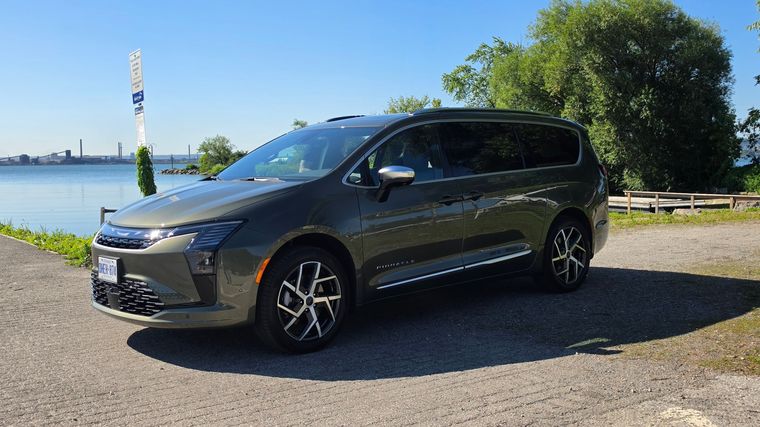
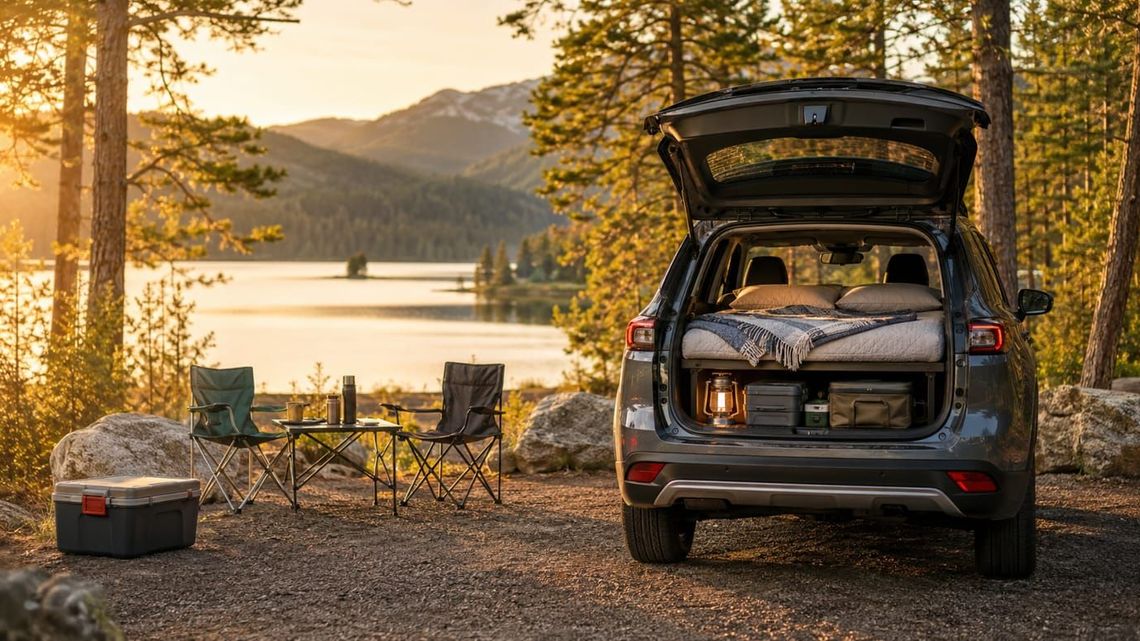
Almost any vehicle with folding rear seats can double as a mobile campsite — sedan, SUV, wagon, or minivan. The goal is a flat sleeping surface. If your cargo area still slopes once the seats are down, a custom-cut piece of plywood or a thick foam pad solves that in one trip to the hardware store.
Packing the space is a bit like a game of Tetris. Store what you'll use least at the bottom or under the front seats, and keep your headlamp, water bottle, and first aid kit within arm's reach. Stackable storage bins help keep things organized, especially on multi-night trips. Window covers or cut-to-fit reflective panels are also worth the effort — they add privacy, help regulate temperature, and keep your gear out of sight from passersby.
Getting Your Vehicle Ready Before You Leave
This is the step a lot of campers skip, and it's the one that separates a relaxed trip from a roadside headache. Before heading out, take the time to check:
Tire pressure and tread. An underinflated tire wears faster, burns more fuel, and is far more likely to blow out on the gravel forest roads that lead to most car camping spots. Check pressure cold, and match it against the sticker on the driver's door jamb — not the number molded into the tire's sidewall.
Tread depth. The legal minimum in Canada sits at 1.6 mm, but aiming for at least 4 mm before a long trip gives you a much better safety margin, especially in wet conditions.
Your spare tire. It's easy to forget for years at a time. Check its pressure and make sure you actually have the tools to install it.
Battery and brakes. Long weekends put real strain on a vehicle's electronics — coolers, chargers, interior lighting — and a tired battery has a way of failing miles from the nearest town.
Fluid levels, especially oil and coolant, which matter even more if you're driving through mountains or during a heat wave.
If you're heading into mountain terrain or anywhere snow is still possible at elevation, check the winter tire requirements for the province you're visiting before you go. A proper inspection takes under an hour and can save you from a much worse afternoon down the road.
Finding a Legal Place to Camp
You can't just pull over and call it a night. Apps like Hipcamp, iOverlander, and Campendium make it easy to find private land, public land, or rest areas where overnight camping is actually allowed. In Canada, plenty of Crown land and provincial forests permit dispersed camping, but the rules shift from province to province — it's worth confirming with the local land management authority before you settle in.
Look for a flat site, away from busy roads, and avoid crowding other campers who might already be settled in for the night. Let someone know where you're headed and when you expect to be back, especially if you're camping somewhere remote.
Setting Up a Comfortable Sleep
Sleep is often what separates a good trip from a rough one. Since you're not carrying your mattress on your back like a backpacker, this is the place to splurge — a thicker pad or a properly cut inflatable mattress makes a real difference. A decent pillow matters more than people expect, and so does an insulated blanket or a sleeping bag rated for the season. Sleep with your head toward the front of the vehicle; that's usually where you'll find the most room, since rear wheel wells tend to eat into space.
Crack the windows slightly for airflow — it also cuts down on overnight condensation.
Handling Food and Cooking
A portable stove, a well-prepped cooler, and a handful of utensils are usually all you need. Pre-chilling your cooler before you leave makes a noticeable difference in how long perishables last. Always store food and trash inside the vehicle with the doors locked once night falls — it keeps curious rodents out, and in some regions, keeps larger wildlife from taking an interest too.
Safety Basics Worth Remembering
Car camping is generally safe as long as you choose sites with some judgment and stick to a few basics: never leave the engine running overnight to stay warm, and never run a fuel-burning heater inside a closed vehicle — it's a real carbon monoxide risk. A battery-powered electric heater is a much safer choice on a cold night.
Keep a first aid kit, a flashlight, jumper cables, and your roadside assistance contact information within easy reach.
The Most Common Mistakes to Avoid
A handful of mistakes show up again and again, even among experienced campers:
Skipping the weather check and the vehicle check. Together, these are probably the single biggest cause of ruined trips.
Winging it on where you'll sleep. Showing up without a reservation or a backup plan in a busy area often means driving around in the dark looking for a spot.
Underestimating how much space you actually need. Packing without a plan makes setting up your sleeping area a lot harder once you arrive.
Ignoring tire pressure before a long drive. Plenty of campers double-check their cooler and their gear list but forget the thing that's actually keeping them safe on the road.
Leaving food out in the open. Even small snacks left unsecured can attract rodents, which are better at squeezing into a vehicle than most people expect.
Using a fuel-burning heater inside the car. It's a real and entirely avoidable carbon monoxide risk.
Not telling anyone your route or plans. A simple step that makes a real difference if something goes wrong.
Hitting the Road with Confidence
Car camping offers a kind of freedom that's hard to match — leave whenever you want, move sites without folding a tent, and enjoy the comfort of your own vehicle along the way. A great trip really comes down to three things: a thought-out packing setup, a mechanically sound vehicle, and a bit of common sense about where you sleep and how you stay safe.
Before your next trip, take the time to have your tires and vehicle properly checked. A quick pressure and tread inspection can save you a lot of trouble miles from the nearest service station.