
I don’t know what the roads look like where you live, but this year in Montreal the temperatures have been bouncing around, and potholes seem to be popping up far too often on our daily routes. Sure, road crews that slow traffic down can be irritating, but they also prevent real damage. Tires, rims, alignment, suspension... one bad hit can be enough to damage them, especially if the hole is deep or you take it at the wrong speed.
How a Pothole Forms
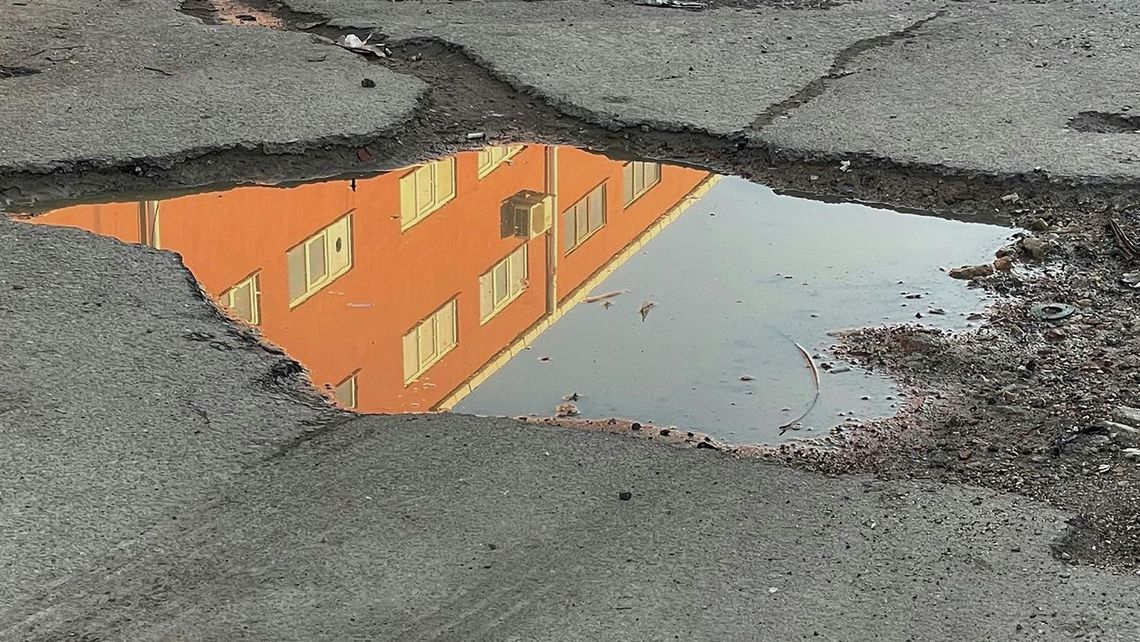
A pothole recipe has three ingredients: water, freezing temperatures, and traffic. Water seeps into cracks in the asphalt, then freezes and expands, which widens those cracks and weakens the structure underneath. When temperatures rise again, voids can form below the surface; after that, repeated vehicle impacts eventually make the pavement collapse.
Busy roads are especially vulnerable because the pounding never stops. Some rural roads can be just as bad, but for a different reason: maintenance may be less frequent, which gives the problem more time to grow.
Typical Damage to Your Vehicle
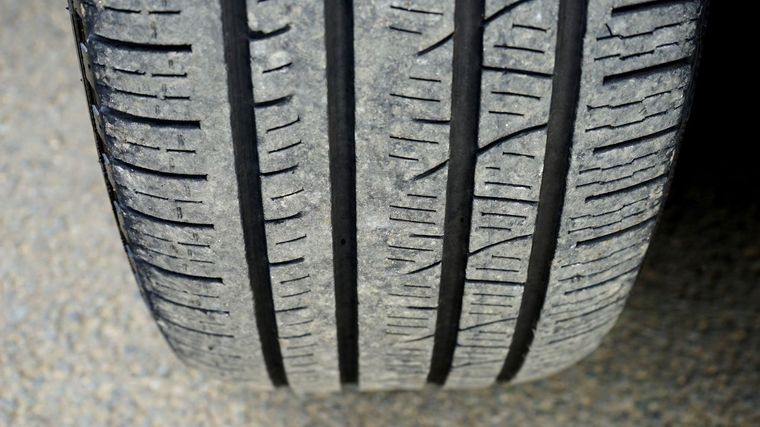
Your tire takes the first hit. If it gets pinched between the edge of the pothole and the rim, the tire’s internal structure can be damaged. A bulge in the sidewall is a warning sign, and the danger isn’t always immediate. A weakness you don’t notice right away can later turn into a leak, a blowout, or a sudden failure at the worst possible moment.
Rims can also bend from the impact, which often shows up as steering-wheel vibration. And potholes don’t stop at tires and wheels: the hit can knock your alignment out or damage suspension and steering components, leaving the car pulling to one side or the steering feeling less precise.
Damage also often happens on the way out of the pothole, when the wheel climbs back up and rebounds sharply. Speed matters, as do the pothole’s depth and length, and even wheel diameter. Not many people realize it, but the smaller the diameter, the harsher the impact.
How to Reduce the Risk
The best defense is anticipation. Leave enough following distance to actually see the road surface, adjust your speed, and keep your eyes on the pavement, not only on the car in front of you. Watch out for puddles, since they can hide a hole. If impact is unavoidable, slow down gradually and slightly release the brake right before the hit to reduce the load your suspension has to absorb.
Keeping your tires inflated to the recommended pressure also helps limit damage. After a hard hit, pull over somewhere safe and check the tire and rim. Pay attention to new noises or vibrations. Even if everything seems fine, a quick inspection can prevent a small problem from turning into a bigger one.
With these small habits, the goal is simple: getting through winter with fewer unpleasant surprises!