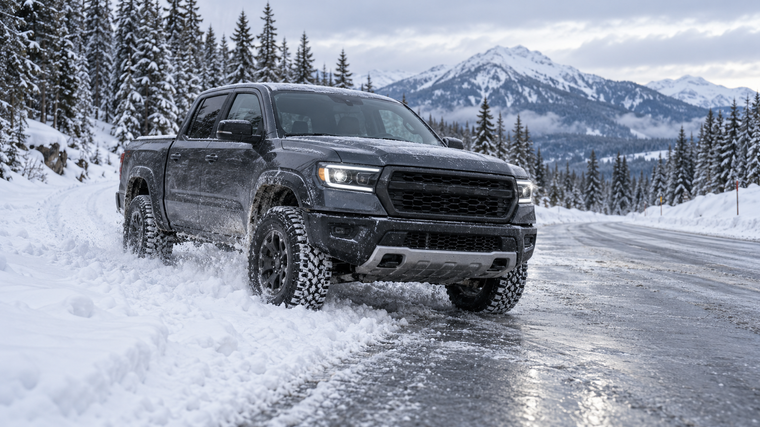

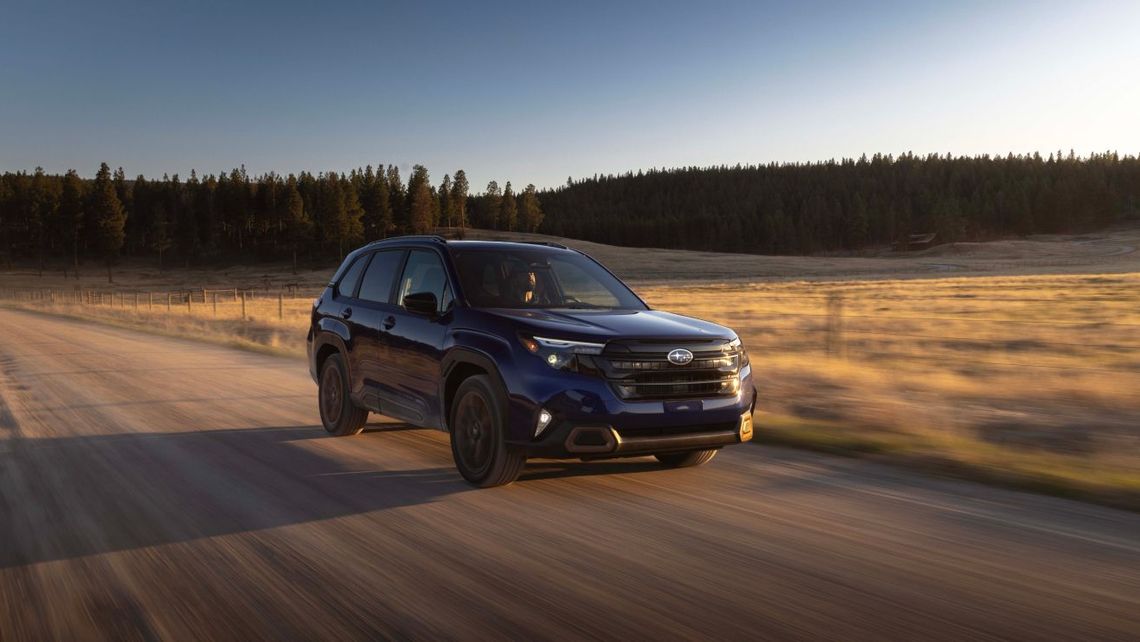
The Subaru Forester is already one of the most reassuring vehicles you can drive in winter. With its symmetrical all-wheel drive, generous ground clearance and strong reputation for reliability, it checks a lot of boxes for facing Canadian snow. But even the best AWD system in the world is useless if the tires can’t keep up! Here are three solid suggestions that will serve you well in just about any winter condition.
Bridgestone Blizzak WS90: the safety benchmark
If safety is your top priority, the Bridgestone Blizzak WS90 is often the first name that comes up. Designed for severe winter conditions, it offers very high grip on snow, ice and cold pavement. For a Forester used mainly in the city and suburbs, with plenty of black ice and frozen patches at intersections, the Blizzak WS90 is a very hard choice to criticize.
Its rubber compound and optimized contact patch also help extend tread life, which can translate into an extra season of use before replacement. Its price sits toward the upper end of the range, but you are clearly paying for maximum safety.
Continental VikingContact 8: for long winter drives
The Continental VikingContact 8 is positioned as a versatile winter tire, designed for harsh Canadian winters and especially for drivers who cover a lot of distance. As the successor to the VikingContact 7, it improves on an already solid recipe: three-dimensional sipes, biting edges and stable shoulders, all engineered to provide consistent grip on snow, ice, slush and wet roads.
For a Forester owner who often drives long distances, for example regular trips between city and countryside, the VikingContact 8 is an excellent compromise. Handling is predictable, comfort is good and the overall level of safety is very high.
Ironman Polar Trax GEN2: more affordable but still serious
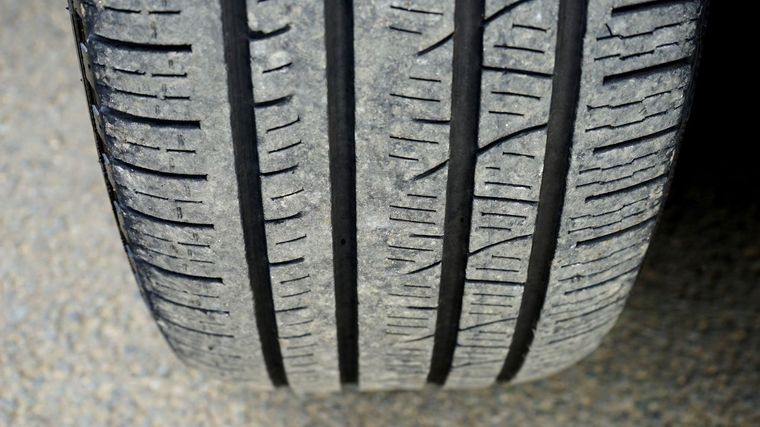
The Ironman Polar Trax GEN2 is a more affordable option, but it is far from a low-end winter tire. Its directional tread pattern with V-shaped grooves is designed to improve acceleration in snow and efficiently evacuate water and slush. The central rib with a high density of sipes reinforces traction, while the silica-rich compound keeps the tire flexible even in very low temperatures, which is crucial for maintaining grip.
One of its advantages, especially in rural areas, is the possibility of adding studs where the law allows it. Combined with reinforced shoulder blocks for extra stability, you get a tire that can handle very snowy or icy roads with confidence. Despite its capabilities, the Polar Trax GEN2 remains surprisingly comfortable and quiet for its category, making it an attractive choice for drivers who need a serious winter tire at a more accessible price.
Whatever you choose, remember that your Subaru’s all-wheel drive system works best with four identical tires in good condition. A quality winter tire, properly matched to your driving needs, is the best ally your Forester can have when the cold season arrives.