



Michelin X-Ice Snow winter tire, engineered for harsh Canadian winters, delivers grip and control on snowy, icy, and wet surfaces.
 Not sure what your tire size is ?
Let us help
Not sure what your tire size is ?
Let us help
Winter tires aren't just a precaution in Canada — in most provinces, they're the difference between stopping in time and not stopping at all. Engineered with specialized rubber compounds that stay flexible in sub-zero temperatures, they deliver dramatically better grip on snow, ice, and cold pavement compared to all-season alternatives.
At Blackcircles, we carry a wide selection of tire options for every vehicle, budget, and driving style — from studded ice tires for harsh northern winters to premium touring tires for city drivers. Our platform lets you shop by vehicle, compare brands and book professional installation at one of our partner garages across Canada — all in a few clicks.
Not sure which tires are right for your vehicle? Use our fitment tool above, or scroll down for our buying guide.
Finding the right winter tires has never been easier: Blackcircles.ca offers a wide selection for every budget, with installation near you for added safety and peace of mind.
Michelin X-Ice Snow winter tire, engineered for harsh Canadian winters, delivers grip and control on snowy, icy, and wet surfaces.

The Bridgestone Blizzak WS90 provides outstanding snow and ice traction, ideal for sedans, light trucks, and minivans in winter.
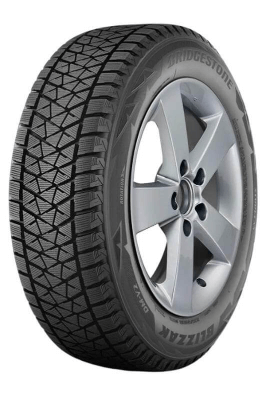
The Bridgestone Blizzak DM-V2 guarantees optimal braking for SUVs and light trucks, providing maximum safety on icy and snowy winter roads. (
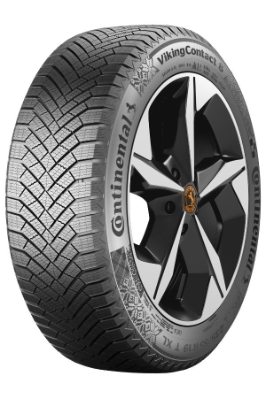
The Continental VikingContact 8 is a winter tire for sedans, SUVs, and EVs, delivering outstanding traction on snow and ice.
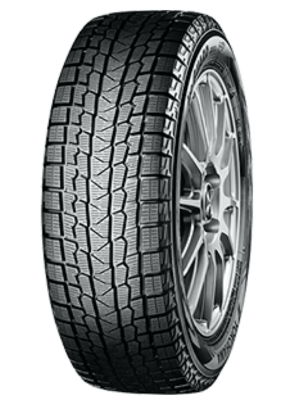
Ideal for winter conditions, the Yokohama iceGUARD iG53 ensures enhanced traction and safe driving on snowy roads.
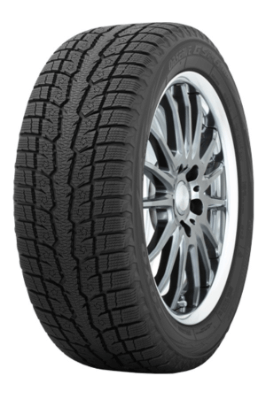
The Toyo Observe GSi-6 offers exceptional ice grip for cars and SUVs, perfect for tackling harsh winter conditions.
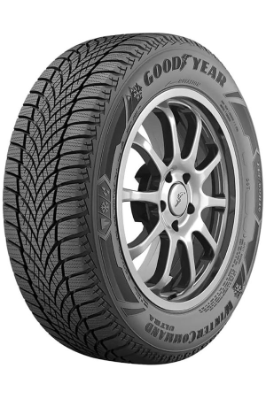
The Goodyear WinterCommand Ultra is a premium winter tire for cars, designed to tackle extreme cold with exceptional grip and reliable winter performance.
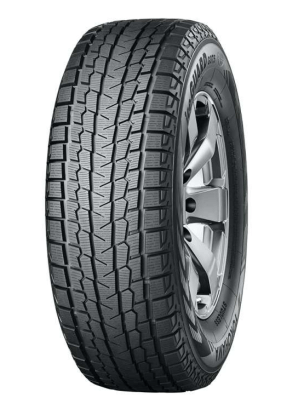
Yokohama iceGUARD G075 winter tires are tailor-made for sport utility vehicles, they are capable, efficient, reliable and excellent in the worst conditions
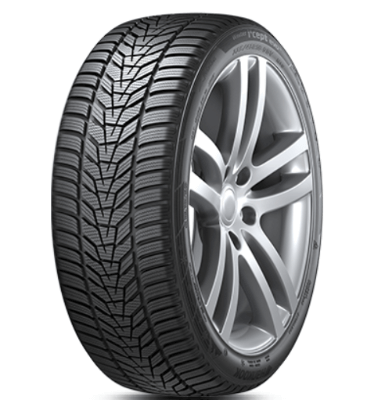
Versatile, efficient and competent, the Winter i*cept EVO3 W330 tire for touring vehicles will provide you with perfect control levels on ice and snow, allowing you to face extreme winter driving conditions in full confidence.
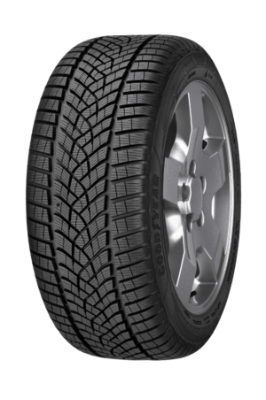
Designed for winter, the Goodyear Ultra Grip Performance + delivers reliable performance and excellent road holding for passenger cars, SUVs, and minivans.
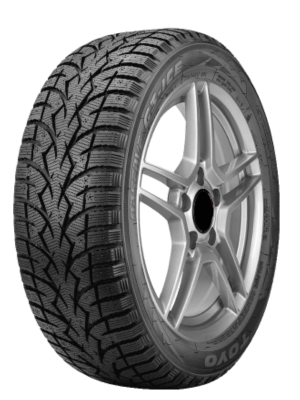
The Toyo Observe G3-ICE is a studdable winter tire designed for cars and SUVs, offering outstanding snow and ice traction.
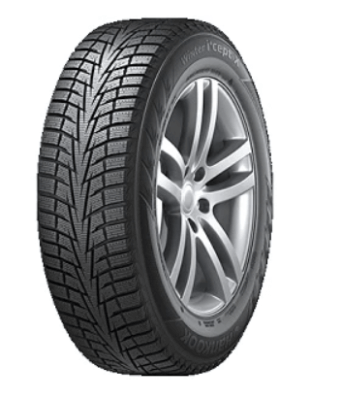
For light trucks and sports utility vehicles, the Winter i*cept IZ3 W636 winter tire will provide you with a safe winter driving experience, as well as outstanding road handling and unparalleled maneuverability.
The chemistry is simple: standard all-season tires harden in cold weather, reducing contact with the road. Winter tires use a silica-based compound that stays pliable below 7°C, maintaining traction when temperatures drop.
The performance difference is measurable. In Transport Canada testing, vehicles equipped with winter tires stopped up to 25% shorter on ice than those with all-season tires. That 25% can be the difference between a clean stop and a rear-end collision.
Beyond braking, they improve cornering control and reduce the risk of hydroplaning on slush-covered roads — conditions that all-season tires handle poorly as temperatures approach freezing.
Discover our other specialized guides to make the best choice of winter tires suited to your specific needs. Whether you drive an SUV, an electric car, or are seeking optimal performance, our supplementary guides provide all the information necessary for safe and efficient driving in winter.
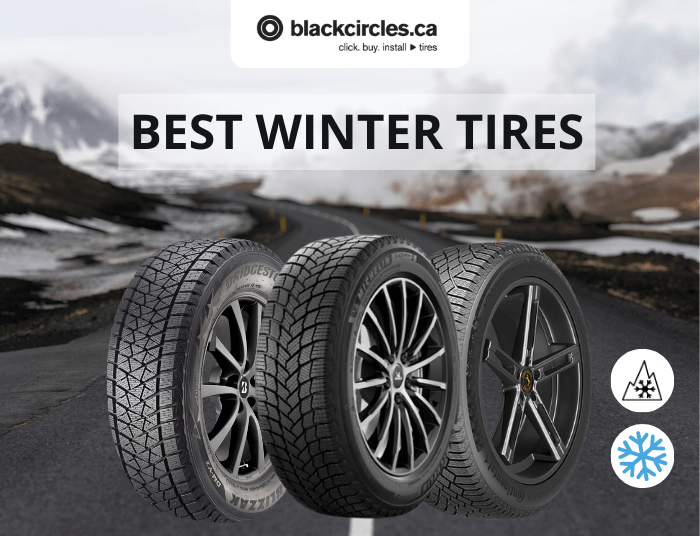
Discover the best winter tires for sedans, providing safety and performance on icy roads. Perfect for your safety this winter!
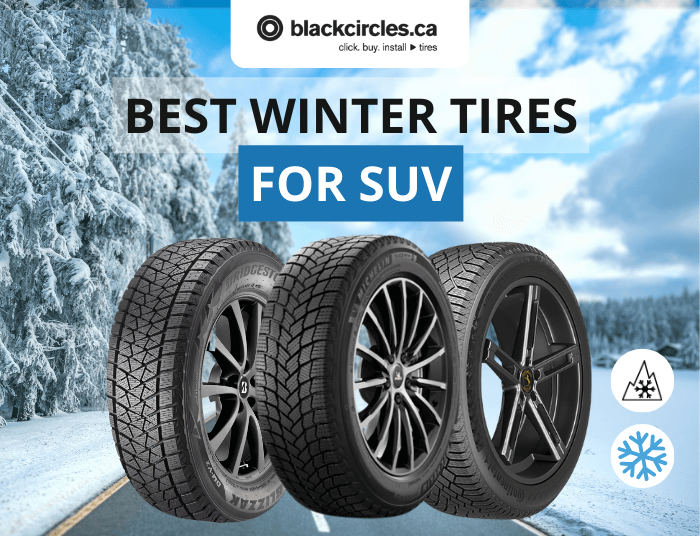
Ensure your safety with our best winter tires for SUVs, offering exceptional traction and durability, even in the toughest conditions.
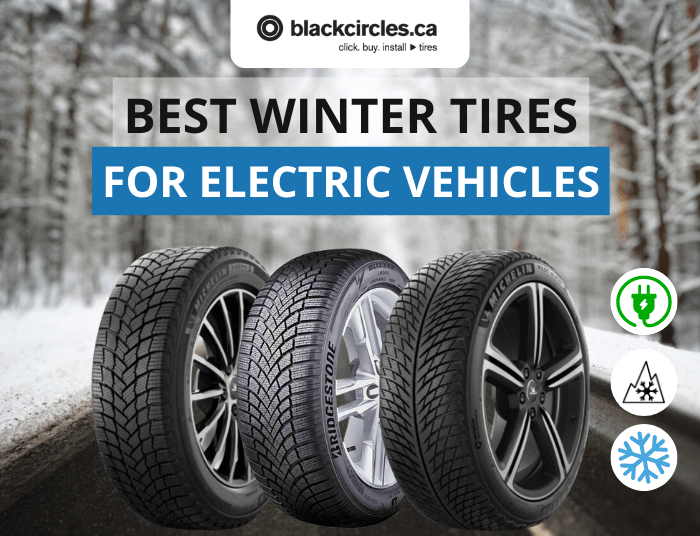
Explore our selection of winter tires designed for electric vehicles, ensuring maximum energy efficiency and safety this winter.
Quebec is the only province where winter tires are mandatory by law (December 1 – March 15). Other provinces strongly recommend them. Ontario, British Columbia, Nova Scotia, and PEI offer mandatory insurance discounts for drivers who use winter tires.
All-weather tires carry the 3PMSF certification and can be used year-round, but they make compromises in both summer and severe winter performance. Dedicated winter tires outperform all-weather tires on ice and deep snow. All-weather tires are a good solution for drivers in moderate climates who don't want to swap seasonally.
The general rule is to switch when daily temperatures consistently stay below 7°C. In practice, this means early-to-mid November for most of Canada, and late October in Quebec and Atlantic Canada. In Quebec, winter tires are legally required between December 1 and March 15.
In Quebec, you can remove winter tires starting from March 16, after the mandatory period. Dates may vary in other provinces, so check local rules.
Technically possible but not recommended. Winter tire compounds wear significantly faster on warm pavement, reducing both tire life and performance. They also handle less precisely in summer conditions. Seasonal switching maximizes both performance and value.
The terms are interchangeable — "snow tires" is the older name, while "winter tires" is now the industry standard. Both refer to tires with the Three-Peak Mountain Snowflake (3PMSF) certification, designed for cold temperatures, snow, and ice.