
From F1 Technology to Your Daily Drive with Blackcircles.ca
Formula 1 returns to Montreal in 2026, bringing global attention to one of Canada’s most iconic racing venues, the Circuit Gilles Villeneuve. Each year, the event attracts top drivers, passionate fans, and intense competition. Names like Max Verstappen, Lewis Hamilton, Charles Leclerc, and Lando Norris are expected to be part of the grid, continuing the sport’s tradition of elite performance and precision engineering.
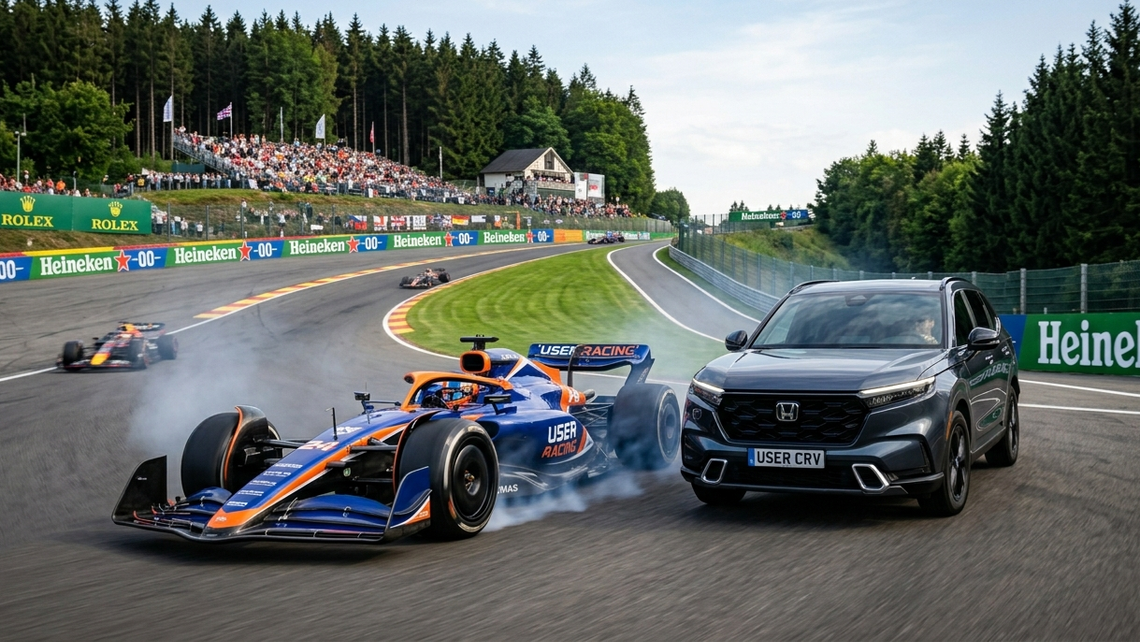
While Formula 1 showcases the absolute limits of automotive technology, it also raises an interesting question for everyday drivers, how do F1 tires compare to the touring and performance tires available for regular vehicles, such as those sold by Blackcircles.ca? Understanding these differences helps put into perspective what really matters for your own car, whether you prioritize comfort, durability, or enhanced handling.
What Makes F1 Tires Unique
F1 tires are designed for one purpose only, maximum performance under highly controlled racing conditions. They are engineered to deliver extreme grip, rapid responsiveness, and precise handling at very high speeds.
However, this performance comes with tradeoffs. F1 tires wear out very quickly, often lasting only a short stint during a race. They operate best within a narrow temperature range and require careful management by teams and drivers. These tires are also not suitable for everyday road use, as they are not built to handle varying weather, road debris, or long mileage.
During the Montreal Grand Prix, tire strategy often plays a critical role due to the circuit’s mix of straights, chicanes, and braking zones. Teams must carefully choose between softer compounds that offer more grip but wear faster, and harder compounds that last longer but provide less traction.
Touring Tires, Built for Comfort and Longevity
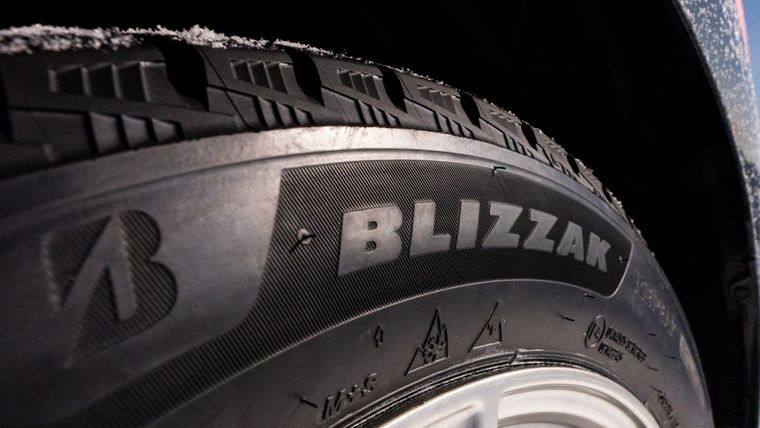
Touring tires, commonly available on platforms like Blackcircles.ca, are designed with everyday driving in mind. Their primary focus is comfort, durability, and consistent performance over long distances.
Unlike F1 tires, touring tires are made to perform in a wide range of temperatures and road conditions. They offer stable handling, reduced road noise, and longer tread life, making them ideal for daily commutes and highway driving.
For drivers in Canada, where road conditions can vary significantly throughout the year, touring tires provide a reliable balance between performance and practicality. They are engineered to handle wet roads, uneven surfaces, and extended use without rapid wear.
Performance Tires, Bridging the Gap
Performance tires, also available through Blackcircles.ca, sit between touring tires and racing tires in terms of capability. They are designed for drivers who want enhanced handling, better grip, and improved responsiveness, especially at higher speeds.
While they do not match the extreme capabilities of F1 tires, performance tires offer noticeable improvements in cornering stability and braking. They are often chosen by enthusiasts or drivers of sport-oriented vehicles who want a more engaging driving experience.
However, performance tires still maintain road usability. They are built to last longer than racing tires and to function effectively in everyday conditions, although they may wear faster than touring tires and can be less comfortable on rough roads.
Key Differences Between F1 Tires and Road Tires
The differences between F1 tires and everyday tires can be summarized across several important factors:
F1 Tires vs Road Tires Comparison
Purpose / Specialization
Durability
Temperature Sensitivity
Versatility
Scores are illustrative based on real-world differences between racing and road tires.
Purpose
F1 tires are built exclusively for racing, while touring and performance tires are designed for real-world driving.
Durability
F1 tires last for a very limited time, whereas touring tires can last tens of thousands of kilometers, and performance tires offer a balance between lifespan and grip.
Temperature Range
F1 tires require precise temperature control, while road tires are engineered to perform across a broad range of conditions.
Versatility
Touring and performance tires must handle rain, varying road surfaces, and long distances. F1 tires are optimized for specific track conditions and are not versatile.
The Montreal Grand Prix and Real World Relevance
The 2026 Formula 1 race in Montreal highlights how critical tires are at the highest level of motorsport. The Circuit Gilles Villeneuve is known for its demanding layout, where braking, acceleration, and cornering all put significant stress on tires.
For everyday drivers, this reinforces a key takeaway, tires are one of the most important components of any vehicle. While you may not be racing through chicanes or accelerating down long straights, the quality and type of tire you choose directly affect safety, comfort, and performance.
Choosing the Right Tires with Blackcircles.ca
Blackcircles.ca offers a wide range of touring and performance tires suited for Canadian drivers. Whether you are looking for long-lasting comfort or improved handling, the platform provides options tailored to different driving needs.
Choosing the right tire depends on how you use your vehicle. If you prioritize smooth rides and durability, touring tires are a strong choice. If you want sharper handling and a sportier feel, performance tires may be more suitable.
Unlike F1 teams, you do not need to manage tire compounds lap by lap, but selecting the right tire for your driving style can still make a significant difference.
Conclusion
The excitement of Formula 1 in Montreal showcases the pinnacle of tire technology, but it also highlights how different racing tires are from those used on everyday vehicles. F1 tires are built for extreme, short-term performance, while touring and performance tires are designed for real-world reliability and versatility.
By understanding these differences, drivers can make more informed decisions when choosing tires. With options available through Blackcircles.ca, finding the right balance between comfort, durability, and performance becomes much easier, allowing you to get the most out of your driving experience.