
Tires are surrounded by an impressive number of myths and legends shared in garages all over the world. Some come from old logic that may have had a bit of truth 30 years ago, while others have simply been repeated so often that they start to sound credible. So, let’s clear things up once and for all. Here are a few classics we still hear often, and let’s see whether they really hold up.
1. With all-wheel drive, you do not need good winter tires
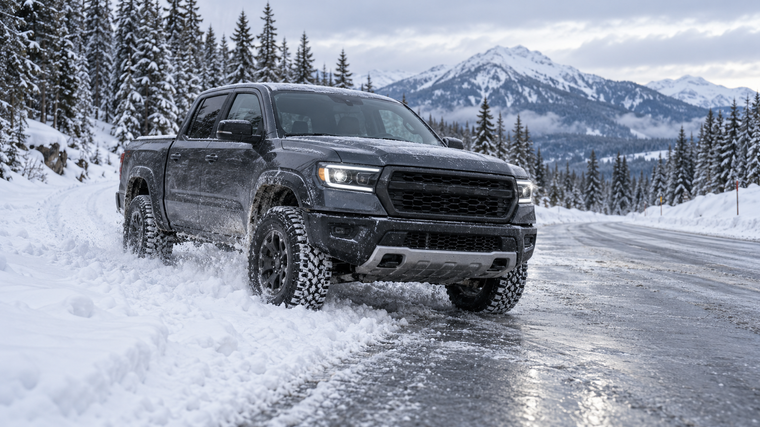
False. All-wheel drive mostly helps you get moving. It can help you get out of an icy driveway or give you more traction when starting off, but it does not change the laws of physics. To brake and turn on snow or ice, the tires do the real work. A vehicle with all-wheel drive and bad tires is still a vehicle that will have trouble stopping. In short, AWD helps you get going, but winter tires help you survive the stop.
2. If the tread looks good, the tire is still good
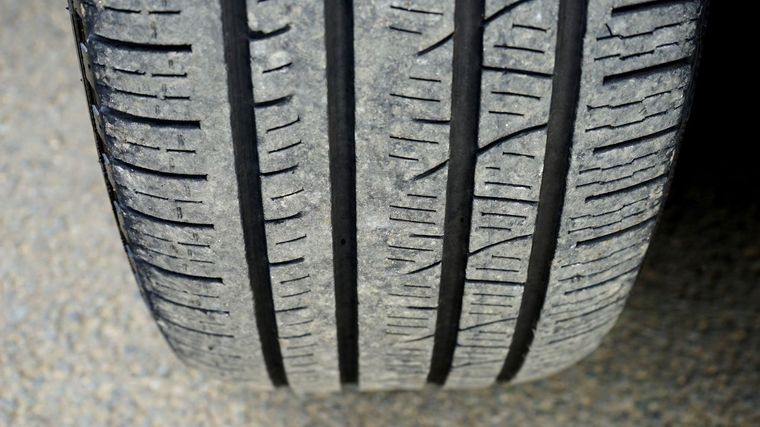
Not always. Tread depth is important, of course, but it is not the only thing that matters. Over time, rubber ages, hardens, and can begin to crack. A tire can therefore look fine at first glance while having already lost some of its qualities. That is why you should also check the tire’s age, cracks, bulges, and the overall condition of the sidewalls.
3. You should inflate the tire to the number written on the sidewall
No. The number written on the sidewall usually indicates the maximum pressure the tire can handle, not the recommended pressure for your vehicle. The correct pressure is usually found on the vehicle placard, often in the driver’s door frame, or in the owner’s manual. Too little pressure can increase wear and fuel consumption, while too much pressure can affect comfort and grip.
4. If I only buy two new tires, I should put them on the front
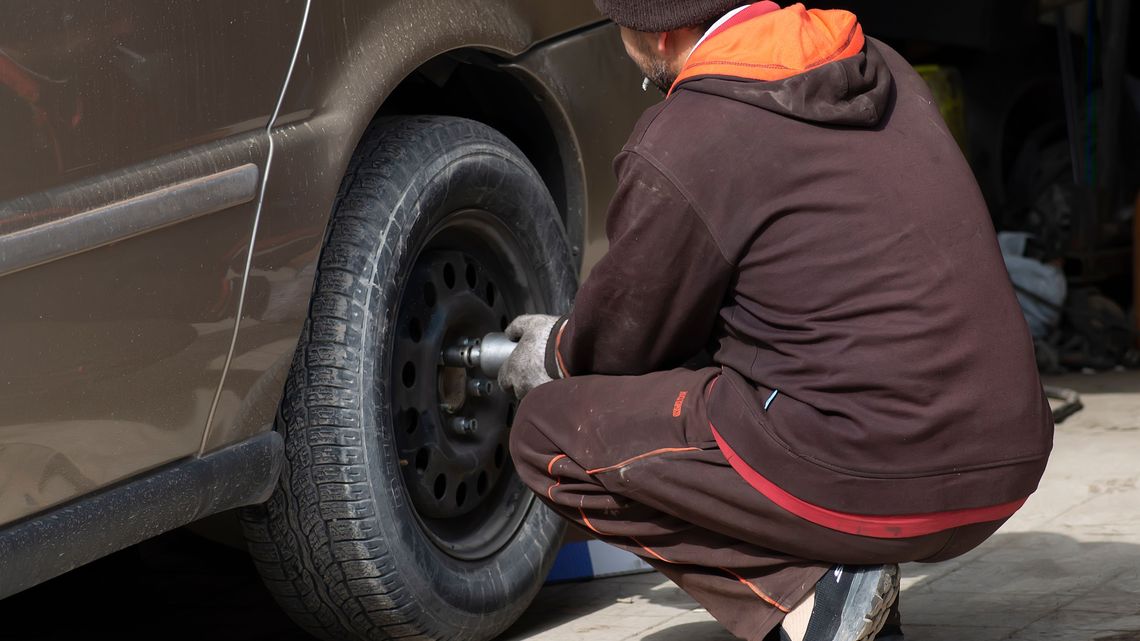
It is a common reflex, but it is generally not the best practice. If only two tires are being replaced, the new ones should be installed at the rear. Why? Because better grip at the rear helps maintain control of the vehicle, especially on wet roads. Losing the rear end in a curve is rarely a beautiful moment.
5. The wider the tire, the better it is
Not necessarily. A wider tire can offer more grip in some conditions, but it can also be noisier, more expensive, less comfortable, and sometimes less effective in rain or snow. The best tire is not the one that looks the most aggressive. It is the one that matches the vehicle, the season, and the way you actually drive.