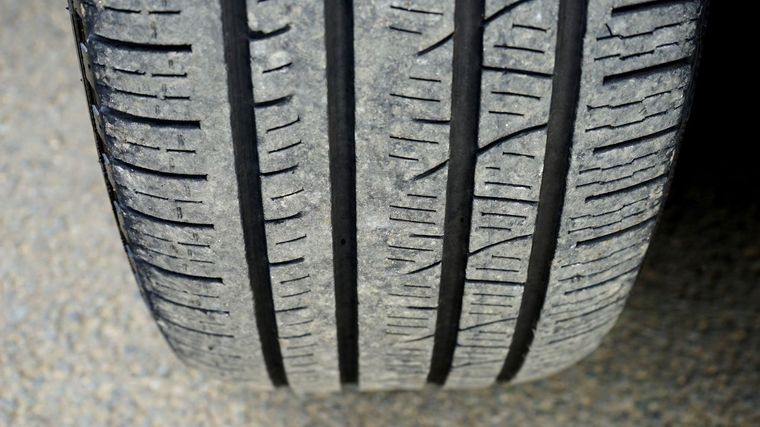

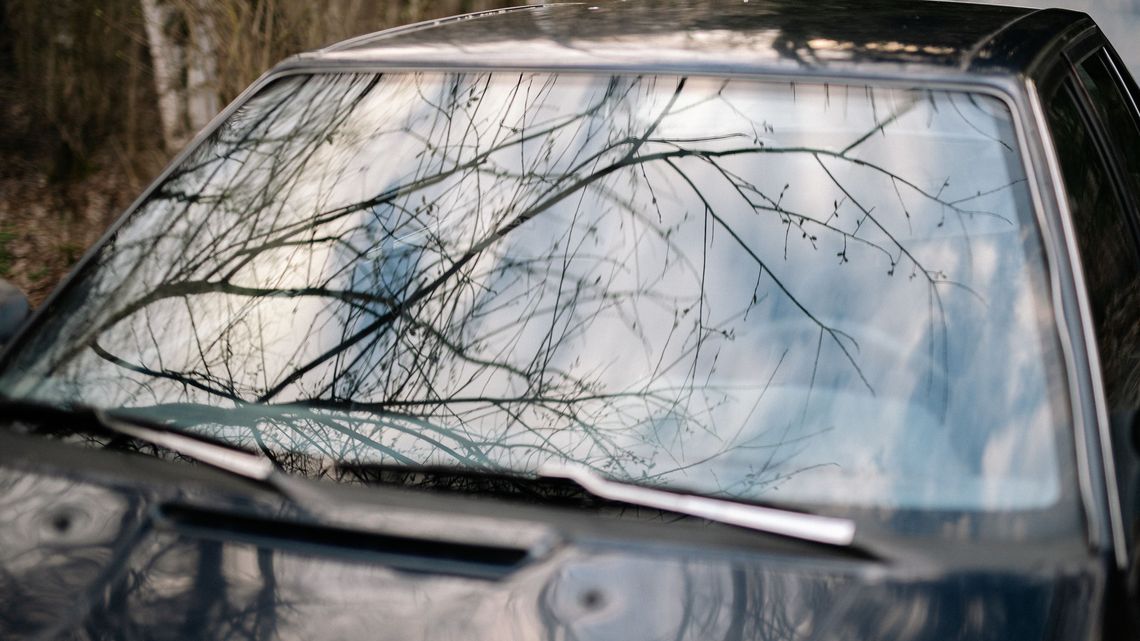
I recently had a sticky little mishap with my vehicle. After parking it beneath a tree, I returned to find it covered in a thin, tacky film. At first, I was convinced that it was tree sap, but I eventually discovered that the real culprit was a substance called honeydew. If you notice the same problem on your vehicle, knowing how to distinguish between these two substances could help you choose the right cleaning method.
How Can You Tell Tree Sap From Honeydew?
Honeydew is a sugary substance produced by certain insects, particularly aphids and scale insects, as they feed on tree sap. It falls in very fine droplets and can quickly cover the windshield, bodywork and even the tires with a uniform, sticky film. In my case, a thick layer had formed in less than 48 hours. That was a good indication that it was not tree sap. Fortunately, because honeydew is water-soluble, it is generally quite easy to wash away.
Actual tree sap is more likely to appear as thick droplets, isolated spots or residue that gradually hardens. Depending on the tree, it may contain resin compounds that are much more difficult to remove than honeydew. A localized spot that is difficult to dissolve is therefore probably genuine tree sap, which is a slightly more serious problem.
How Can You Clean It Without Damaging the Paint?
Begin by moving the vehicle into the shade and allowing the bodywork to cool. Rinse it to remove dust and soften the residue. Next, wash the surface using lukewarm water, automotive soap and a clean microfiber cloth. It is better to make several light passes than to scrub a dry surface aggressively, as trapped particles could scratch the paint.
For honeydew, this gentle wash should normally be enough. A hardened tree sap stain, however, may sometimes require an automotive product specifically designed to remove sap. Follow the manufacturer’s directions and test the product on an inconspicuous area first. Avoid scrapers, abrasive brushes and general-purpose solvents. That is an excellent recipe for ruined paint!
How Can You Prevent the Problem?
Whenever possible, avoid parking directly beneath the trees responsible. If that is impossible, try to clean the vehicle before the deposits accumulate or, worse, harden. A coat of wax or paint sealant can also provide a protective layer and make future washes easier. Whether you are dealing with tree sap or honeydew, acting quickly remains the best way to preserve your vehicle’s finish. Fortunately, in my case, a little soap was all it took to make everything look as good as new.