

After winter, it is easy to feel like the hardest season is finally over for your tires. No more snow, no more ice, less road salt, less extreme cold... everything seems simpler at last. And yet, summer can also be very demanding on your tires, just in a different way. Heat, long drives, loaded vehicles, and faster driving can accelerate wear much more than many drivers realize.
In fact, a tire does not wear out only because it covers a lot of kilometres. It also wears according to the conditions in which it is driven. And even though summer may feel more pleasant behind the wheel, it can still ask a lot from the tread.
Heat changes tire pressure
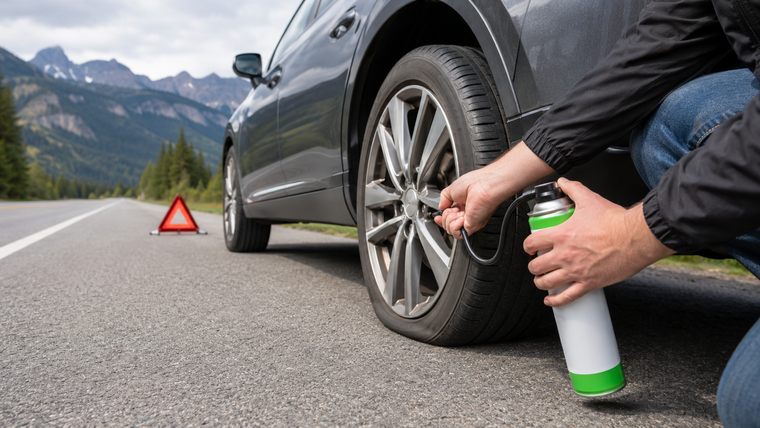
The first factor to watch is probably tire pressure. When the temperature rises, the pressure inside the tire can change. On the other hand, an underinflated tire can heat up more while driving, especially on the highway or during very hot days. In both cases, the tire is not working as it should.
Pressure that is too low can wear the shoulders of the tire more quickly, increase fuel consumption, and make the vehicle feel less precise. Pressure that is too high can instead accelerate wear in the centre of the tread and reduce comfort. That is why it is important to check tire pressure when the tires are cold, ideally before driving or after the vehicle has been parked for a few hours.
Long trips ask a lot from your tires
The other summer classic is vacation driving. You take the highway, fill the trunk, and sometimes add bikes, a roof box, or even a small trailer. All of that increases the load placed on the tires. The heavier the vehicle, the harder the tires have to work to support the weight, maintain grip, and resist the heat generated by rolling.
Summer driving can also be more dynamic. On dry pavement, drivers may brake harder, take corners with more confidence, and spend more time driving at steady highway speeds. These are normal conditions, but they still contribute to tire wear.
A few simple ways to limit wear
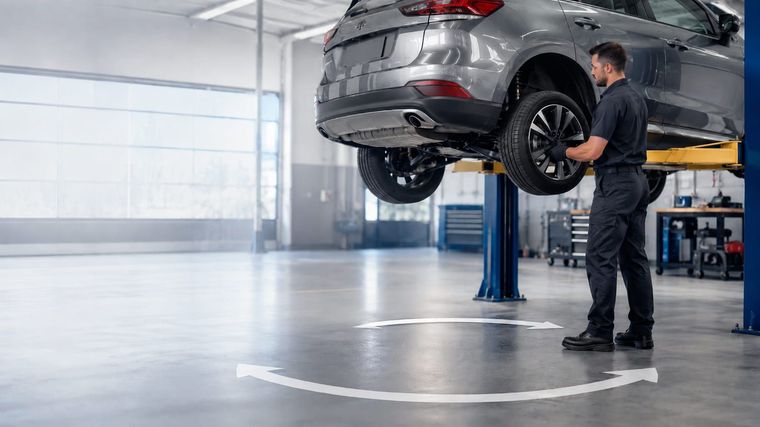
The good news is that reducing the risks is fairly simple. Check the pressure at least once a month and always before a long trip. Inspect the tread, the sidewalls, and any signs of uneven wear. If your vehicle pulls to one side or your tires are wearing strangely, an alignment may be needed. In short, your tires do not take a summer vacation. In fact, summer is often when we ask the most from them!