
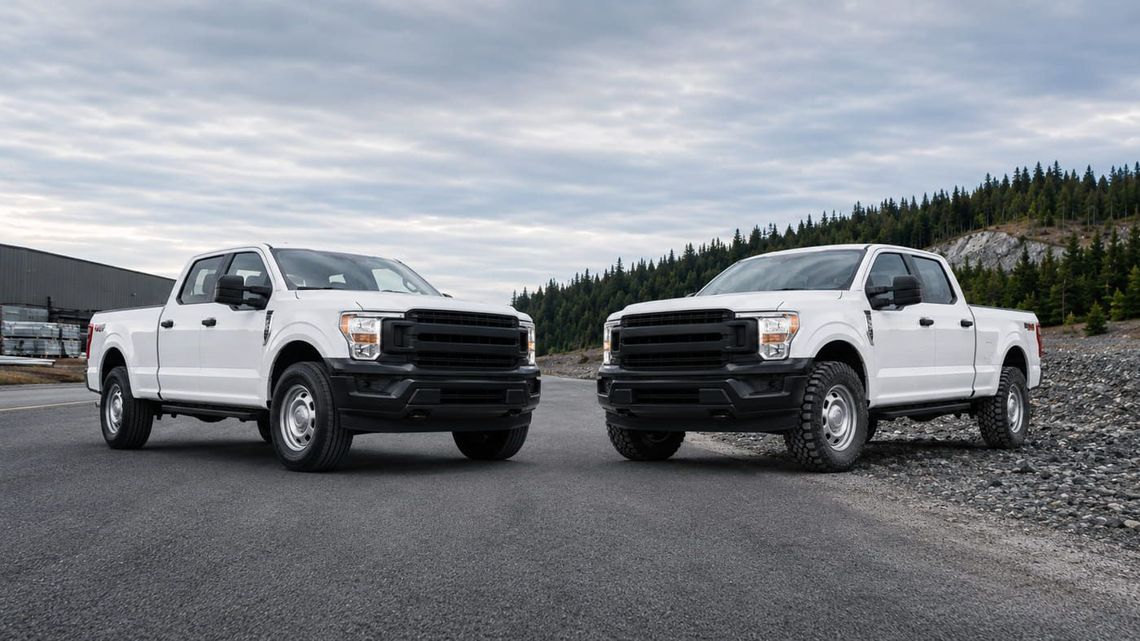
A fleet manager renewing 15 pickup trucks almost always faces the same temptation: equip the vehicles with all-terrain tires because they look tough and versatile. The problem is that most business pickup trucks in Canada never actually go off-road. They handle deliveries, job site visits, and equipment transport — almost always on pavement or a parking lot's gravel. In that context, an all-terrain tire isn't the cautious choice. It's an expensive one that doesn't match how the vehicle is actually used.
Commercial tires built specifically for professional pickups, like the MICHELIN Agilis lineup, are designed for a different need: covering high mileage, hauling heavy loads, and lasting a long time without giving up safety or blowing the maintenance budget. Here's why that choice makes a real difference to fleet profitability.
Commercial Tires vs. All-Terrain Tires: Two Designs, Two Purposes
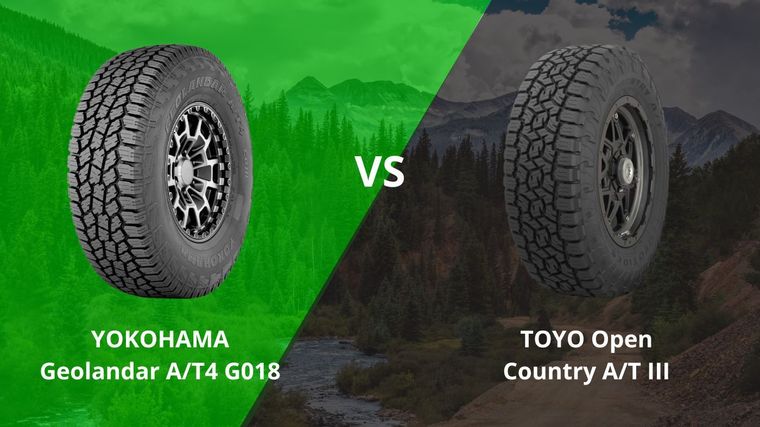
An all-terrain tire is built for mud, sand, and rough surfaces. Its aggressive tread, with large, widely spaced blocks, digs into loose ground and clears mud away. That same tread pattern becomes a liability on pavement: more road noise, faster uneven wear on asphalt, and higher rolling resistance that drives up fuel consumption.
A commercial tire like the Agilis is built around three priorities instead: load capacity, mileage life, and fuel efficiency. The casing is reinforced to carry the weight of tools, materials, or cargo, with a load index higher than that of a standard passenger tire. The tread is designed for even contact with the road, which limits premature wear even under constant load.
Why All-Terrain Tires Are Tempting — and Why That Appeal Gets Expensive
All-terrain tires carry a reassuring image of ruggedness. A thick sidewall, an aggressive tread pattern, the impression that it “can handle anything.” For a business whose pickups spend 95% of their time on paved roads, that perceived toughness doesn't translate into real value. Instead, it translates into three hidden costs:
Faster wear on the road. Large tread blocks heat up and wear out faster on asphalt than on loose terrain, cutting the tire's usable life by thousands of kilometres.
Higher fuel consumption. An all-terrain tire's rolling resistance generally exceeds that of a commercial tire, a factor that adds up quickly across an entire fleet and tens of thousands of kilometres a year.
Reduced driving comfort. Road noise and vibration increase driver fatigue over long days, a safety factor that's often underestimated.
The Real Advantages of MICHELIN Agilis Tires for a Commercial Fleet
Built for Load and Durability
The Agilis lineup is developed specifically for pickups and light commercial vehicles that carry equipment every day. The reinforced sidewall reduces the risk of bulges caused by curb impacts or rough urban job sites — a common issue for fleets operating in commercial or industrial zones.
A Lower Cost per Kilometre
Mileage life is the most direct financial argument. A commercial tire properly matched to the vehicle's actual use wears down predictably and evenly, which lets you plan replacements instead of reacting to them. For a fleet manager overseeing dozens of vehicles, that predictability simplifies both budgeting and maintenance logistics.
Better Fuel Efficiency
The optimized rolling resistance of commercial tires translates directly into fuel savings, a line item that carries real weight in a fleet's operating budget. Across a full year and multiple vehicles, that difference becomes significant.
All-Season Safety Built for the Canadian Climate
The Canadian climate sets its own rules. A model like the MICHELIN Agilis CrossClimate carries the Three-Peak Mountain Snowflake symbol (3PMSF), which certifies performance validated under severe winter conditions. For a fleet operating year-round, choosing a 3PMSF-certified tire avoids a full seasonal swap on every vehicle, while still meeting winter traction requirements in effect in several provinces, including Quebec.
Comfort That Protects Your Drivers
A tread designed for the road reduces noise and vibration. For drivers spending several hours a day behind the wheel, that comfort translates into less fatigue and, indirectly, better alertness on the road.
When an All-Terrain Tire Still Makes Sense
There are cases where an all-terrain tire remains the right choice. A forestry company, a drilling service, or a contractor accessing unpaved, muddy, or rocky job sites daily needs that aggressive traction and puncture resistance. The right question isn't “which tire looks the toughest?” but “where do my vehicles actually spend their days?” A mixed fleet might even justify two different setups depending on each vehicle's role.
The Real Impact on a Fleet's Total Cost of Ownership
A tire's purchase price is only a fraction of its real cost. Total cost of ownership includes service life, added fuel consumption, replacement frequency, service downtime, and the risk of damage from a tire mismatched to its use. Across a fleet of ten vehicles or more, a difference of a few hundred dollars per tire, multiplied by the number of vehicles and replacement cycles over several years, becomes a serious budget issue — not a minor detail.
That reality is pushing more fleet managers to rethink their tire strategy not vehicle by vehicle, but across the entire fleet.
Maintenance: The Factor That Determines Whether You Get Full Value From Your Tires
Even the best commercial tire on the market won't deliver on its promise without proper maintenance. Three simple practices make all the difference for a fleet:
Regular pressure checks. An underinflated tire wears its shoulders prematurely and increases fuel consumption; an overinflated tire wears out the tread's centre faster.
Scheduled rotation. Regular rotation evens out wear across axles, especially important on pickups where weight distribution shifts with load.
Systematic visual inspection. Catching a bulge, a cut, or uneven wear before it turns into a costly breakdown or a safety issue on the road.
For a multi-vehicle fleet, centralizing this tracking — rather than leaving it to each driver's discretion — prevents most costly surprises.
The Right Tire, Chosen for the Right Job
All-terrain tires have their place, but rarely in a pickup fleet that spends most of its time on the road. For the vast majority of Canadian businesses, a commercial tire like the MICHELIN Agilis lineup offers a better balance of durability, safety, driver comfort, and total cost of ownership — exactly what a fleet manager is trying to optimize.
At Blackcircles, we offer a program dedicated to business vehicle fleets, designed to simplify tire selection, purchasing, and tracking for your fleet. Preferred pricing on major brands, personalized support, and financing options built around your cash flow: find out how our fleet program can lower your costs and simplify tire management for your fleet.