

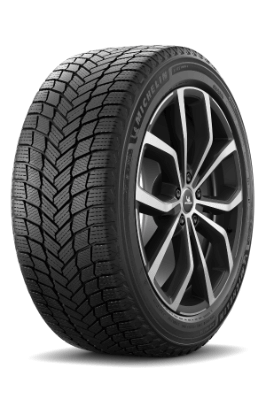

The MICHELIN X-Ice Snow+ is a premium studless winter tire built for Canada’s unpredictable winter roads, delivering optimized braking, reliable traction, and season-after-season performance.
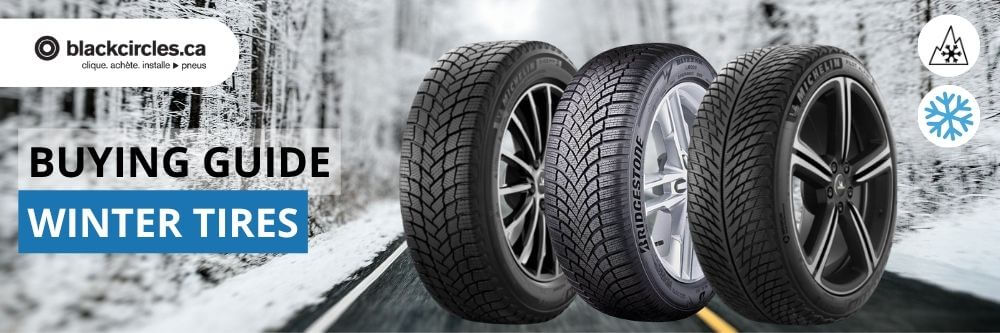
Choosing the right winter tires can make a major difference in traction, braking, and confidence on Canadian roads. This guide highlights top winter tire options for cars, SUVs, trucks, EVs, and commercial vehicles, helping you find the right fit for your driving needs.
 Not sure what your tire size is ?
Let us help
Not sure what your tire size is ?
Let us help
The MICHELIN X-Ice Snow+ is a premium studless winter tire built for Canada’s unpredictable winter roads, delivering optimized braking, reliable traction, and season-after-season performance.
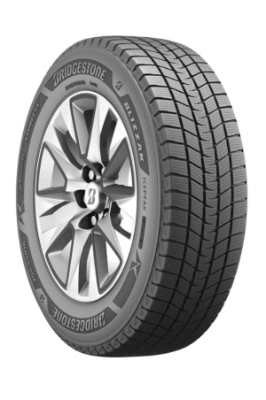
The Bridgestone Blizzak IcePeak is a next-generation studless winter tire built for ice, snow, and cold wet roads, combining Ice Grip + 3PMSF capability with ENLITEN™ for improved tread life and efficiency.
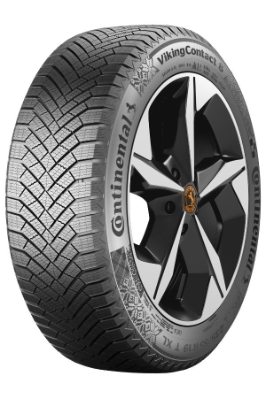
The Continental VikingContact 8 is a winter tire for sedans, SUVs, and EVs, delivering outstanding traction on snow and ice.

For sedan owners, we offer a range of tires designed to provide a perfect balance of comfort, safety, and performance. Whether you need all-season, winter, or summer tires, you will find ideal options to enhance your sedan's handling and comfort.

Our SUV tires are designed to meet the demands of heavier vehicles often used in varied conditions. Whether driving in the city or on unpaved roads, our SUV tires will offer optimal performance in traction, durability, and comfort.
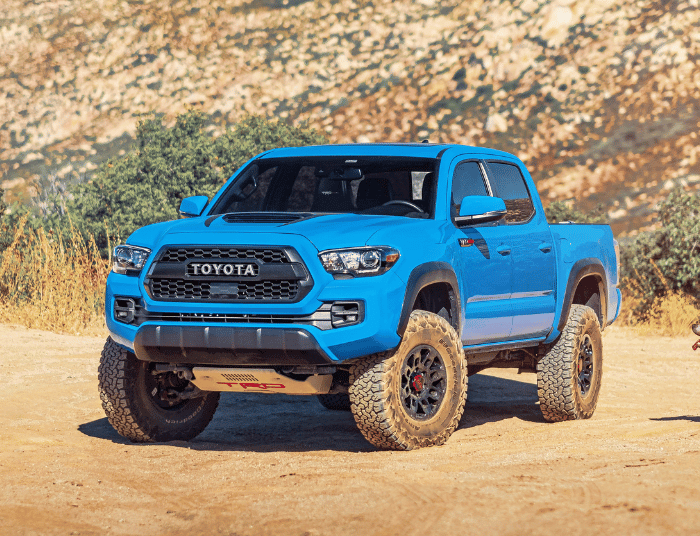
Trucks and 4x4 require robust and durable tires capable of handling heavy loads and performing in tough conditions. We offer a selection of all-terrain and winter tires designed to provide exceptional traction and durability.
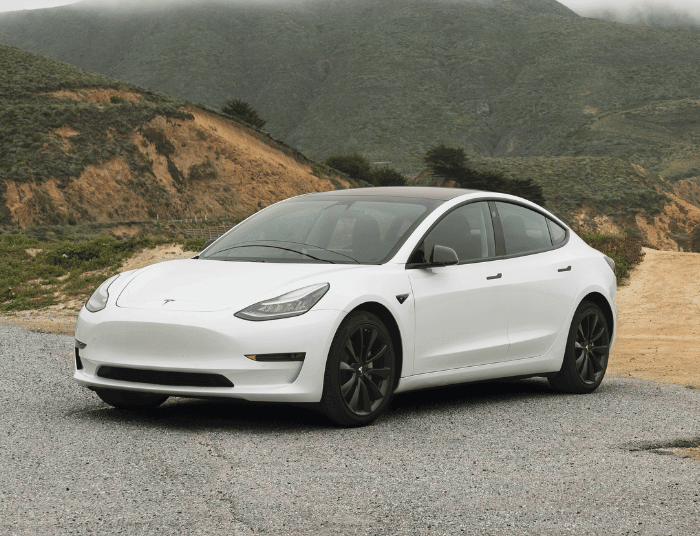
These tires enhance energy efficiency and minimize rolling resistance, ensuring safety and comfort while accommodating the weight of electric vehicle batteries.
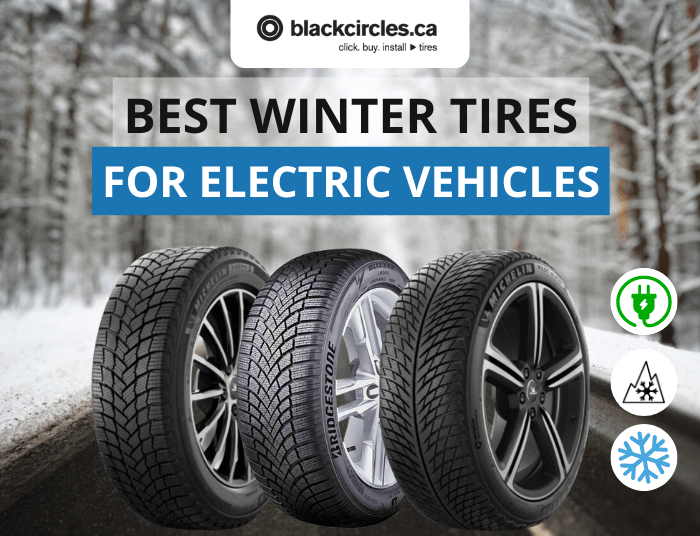
Explore our selection of winter tires designed for electric vehicles, ensuring maximum energy efficiency and safety this winter.
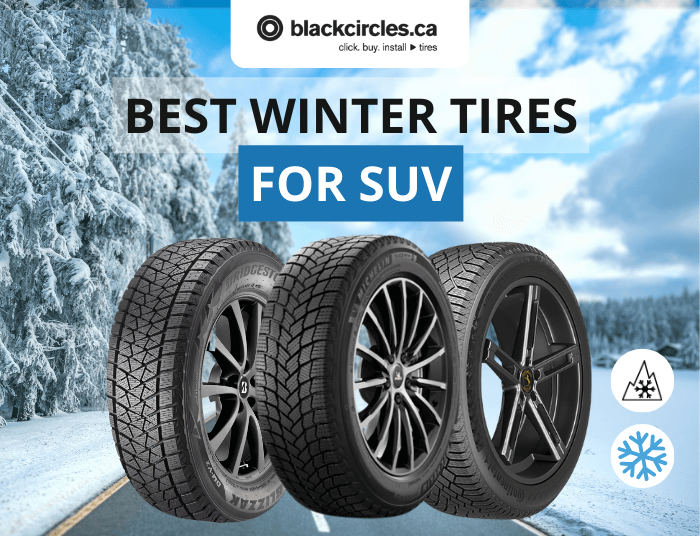
Ensure your safety with our best winter tires for SUVs, offering exceptional traction and durability, even in the toughest conditions.
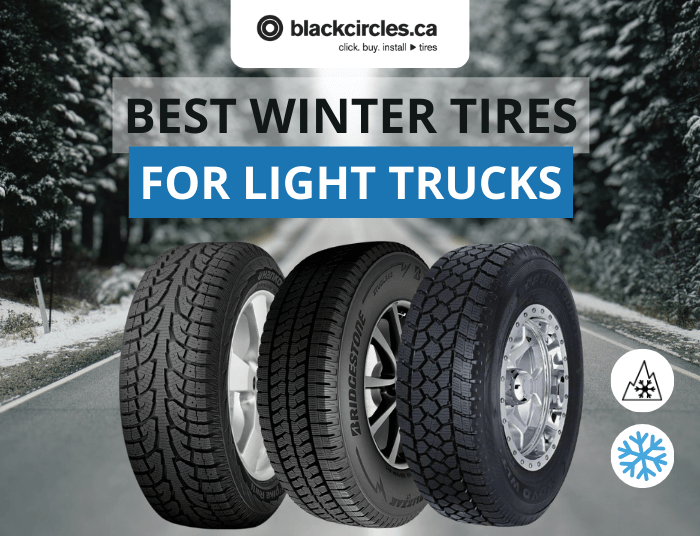
Drive confidently with our winter tires for light trucks, providing superior traction and unmatched durability on all surfaces.
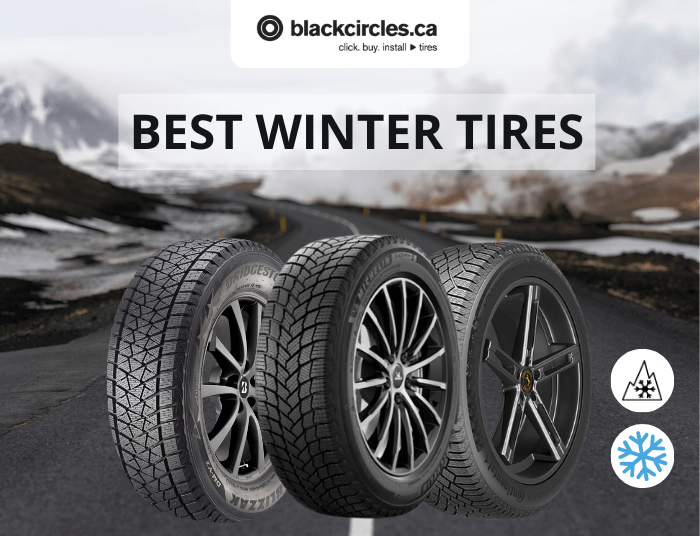
Discover the best winter tires for sedans, providing safety and performance on icy roads. Perfect for your safety this winter!
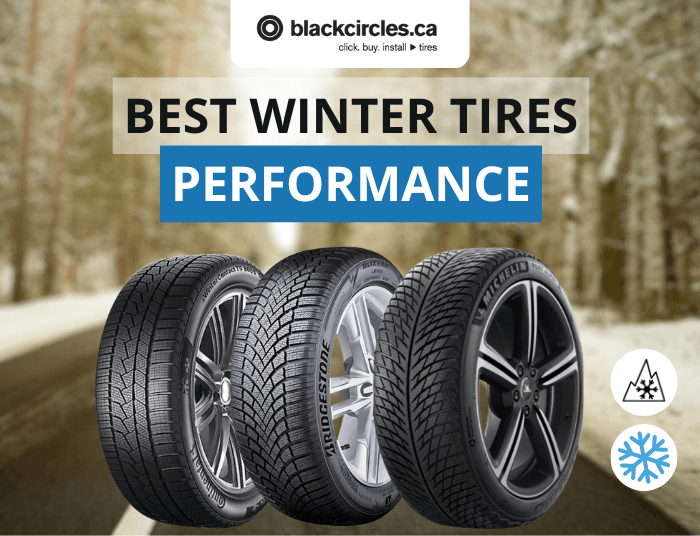
Choose our best performance winter tires for dynamic and secure driving. Perfect for exceptional performance even in the cold.
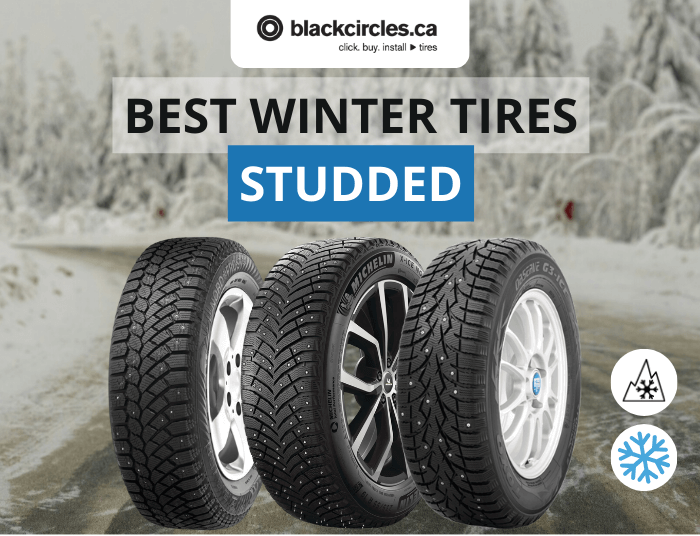
Opt for studded winter tires for unmatched grip on icy roads. Safety and stability are assured even in extreme conditions.
COMMERCIAL & FLEET
Commercial vehicles face tougher winter demands than everyday passenger vehicles. From heavy loads and long distances to frequent stops and demanding schedules, the right winter tires help deliver traction, durability, stability and dependable performance throughout Canadian winters.
The type of vehicle you drive has a direct impact on your winter tire selection. Whether you have a sedan, an SUV, a crossover, or an electric vehicle, each type requires tires suited to its specific characteristics.
For instance, electric vehicles often need tires that optimize rolling resistance to extend range.
Make sure to choose tires that not only fit the required dimensions for your vehicle but also meet its specific needs in terms of performance and load capacity.
Tire durability is crucial for ensuring your safety and maximizing your investment. Tires from reputable brands are often more durable and come with better warranties, which can translate into long-term savings.
Durable tires save you from frequent replacements, reducing the total cost of ownership. In our guide, you'll discover which brands offer the best longevity for enjoying multiple winters worry-free.
Winter conditions can vary greatly across Canada. If you primarily drive on icy, snowy, or slushy roads, you need to choose tires suited for those conditions.
Studded winter tires offer better grip on icy surfaces, while standard winter tires are designed to handle deep snow.
Determine your specific needs to choose tires that will deliver the best performance in your daily environment.
Winter tires are specially designed to offer optimal performance in cold conditions, but they are not ideal for warmer temperatures.
All-weather tires, on the other hand, provide a compromise and are certified for winter use while being suitable for warmer seasons. This choice depends on your needs and year-round use.
Winter tires can be studded or non-studded. Studded tires offer enhanced traction on icy surfaces, but they can be noisier and are subject to regulations in some areas.
Determine if studs are necessary for your safety and consult our guide to discover the best models, including the quietest options in this category.
Legal requirements for winter tires vary across Canadian provinces. In some regions, like Quebec, winter tires are mandatory and can impact your insurance coverage.
It's essential to understand your insurance provider’s specific rules regarding winter tires, even when the law does not explicitly require them. Check our dedicated section to ensure compliance with the law and your insurer’s requirements.